

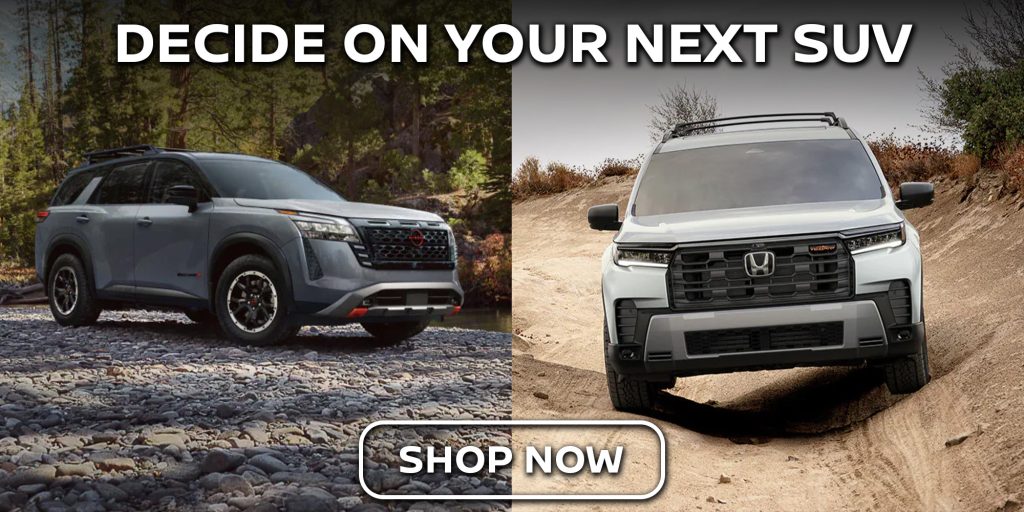
Comparing Top Three-Row SUVs: Nissan Pathfinder & Honda Pilot
When it comes to choosing between the Nissan Pathfinder and Honda Pilot, these two top contenders in the three-row SUV category offer a lot for families and adventure enthusiasts alike. Both vehicles are designed to cater to family life with spacious interiors, advanced features, and reliable performance, making them ideal for road trips or daily commutes. In a segment filled with strong competitors, the Nissan Pathfinder vs. Honda Pilot stand out for their reliability, advanced technology, and thoughtful design. With roomy interiors and ample cargo space, they continue to meet the evolving needs of modern drivers. If you’re in the market for a versatile and dependable SUV, this blog from Crossroads Nissan Wake Forest gives you a closer look at why the Nissan Pathfinder is the better choice. Schedule a test drive with us today!
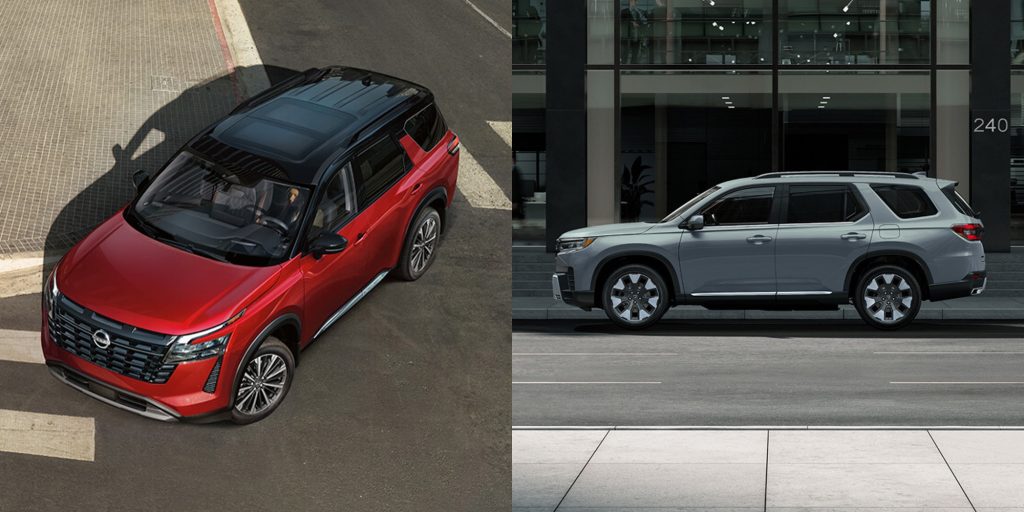
Performance & Driving Dynamics
Under the hood, both the Nissan Pathfinder vs. Honda Pilot feature a powerful engine designed to handle a variety of driving conditions. While the Honda Pilot offers a slightly more robust V6 engine with 285 horsepower and 262 lb.-ft. of torque, the Nissan Pathfinder is capable of reaching up to 284 horsepower and 259 lb.-ft. of torque. Both engines are paired with a smooth automatic transmission for a refined driving experience. That near-equal output gives the Nissan Pathfinder comparable performance with added confidence for everyday driving and towing up to 6,000 lbs. The Honda Pilot, on the other hand, offers a towing capacity of up to 5,000 lbs. Drivers who prioritize towing capability may lean toward the Nissan Pathfinder, particularly its Rock Creek® trim level, which is designed for enhanced off-road capability. Roof rails are available on both models, adding extra utility for carrying larger items like bikes or kayaks. Additionally, the third row in each SUV folds down flat, creating a more versatile cargo area for bulky items. Whether you’re packing for a family road trip or managing errands, the flexibility of these vehicles makes them practical options for any lifestyle.
The Nissan Pathfinder vs. Honda Pilot reliability is enhanced by multiple drive modes that adapt to varying terrains and weather conditions. The Nissan Pathfinder’s available 4×4 system provides excellent traction and control, especially in off-road scenarios, while the Honda Pilot features an available all-wheel-drive system that performs well on slick roads. With a nine-speed automatic transmission, the Nissan Pathfinder delivers smooth and responsive shifts, contributing to a comfortable ride. The Honda Pilot also offers a smooth driving experience, with precise steering and a slightly tighter turning diameter, making it easier to maneuver in tight spaces. Overall, the Nissan Pathfinder emphasizes ride comfort and smoothness for everyday driving.
The Nissan Pathfinder vs. Honda Pilot are ideal options for city and highway driving. The Honda Pilot has an EPA-estimated 19 MPG in the city and 27 MPG on the highway for its 2WD models, while the Nissan Pathfinder achieves an estimated 21 MPG for city commutes and 27 MPG on highways.* These Nissan Pathfinder vs. Honda Pilot specs make the Nissan Pathfinder a discernible choice for those who prioritize fuel efficiency.
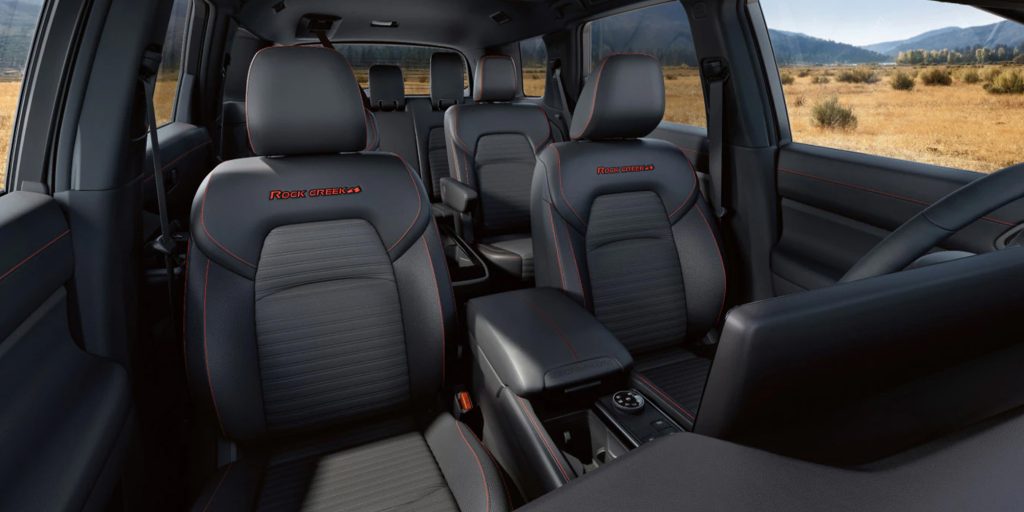
Interior Comfort, Technology, & Safety
Inside the cabin, both the Nissan Pathfinder and Honda Pilot are designed to accommodate busy families with flexible seating for up to eight passengers and spacious three-row layouts. The Nissan Pathfinder distinguishes itself with a more refined, driver-focused interior that emphasizes comfort and usability across all rows. Nissan’s available semi-aniline leather-appointed seating, contrast stitching, and thoughtful trim accents give the Nissan Pathfinder a more upscale feel, especially in higher trims like Platinum. The EZ FLEX® second-row seating system adds everyday convenience by allowing easy access to the third row—even with a child seat installed—making the Nissan Pathfinder particularly family-friendly. The Nissan Pathfinder vs. Honda Pilot sizes differ, with the Honda SUV offering competitive interior space and slightly more overall cargo capacity when fully configured for hauling. The Nissan Pathfinder’s well-shaped cargo area and flat-folding rear rows prioritize real-world versatility and ease of loading. Combined with supportive front seats and a quieter ride quality, the Nissan Pathfinder creates an interior environment that feels comfortable, composed, and ready for long trips.
Technology and connectivity play a major role in daily driving, and the Nissan Pathfinder vs. Honda Pilot comparison leans into intuitive, confidence-building features that enhance the overall experience. The Nissan Pathfinder is equipped with a modern infotainment system that supports Apple CarPlay® and Android Auto™, along with multiple USB ports throughout the cabin to keep devices charged for every passenger. Available upgrades include wireless smartphone connectivity, a premium Bose® audio system, and a large digital driver display that puts key vehicle information directly in the driver’s line of sight. These features work together to reduce distractions and keep the focus on the road. The Honda Pilot also offers a capable infotainment setup and the same size touchscreen, but the Nissan Pathfinder’s clean interface, responsive controls, and available head-up display give it a more streamlined, driver-centric feel. For drivers who value technology that enhances comfort without feeling overwhelming, the Nissan Pathfinder strikes an ideal balance between innovation and ease of use.
Safety is an area where the Nissan Pathfinder vs. Honda Pilot perform strongly, but the Nissan SUV stands out by making advanced driver-assist technologies a core part of the driving experience. Every Nissan Pathfinder comes equipped with Nissan Safety Shield® 360, which includes Automatic Emergency Braking with Pedestrian Detection, Blind Spot Warning, Rear Cross Traffic Alert, Lane Departure Warning, High Beam Assist, and more. ProPILOT Assist includes Adaptive Cruise Control with lane-centering support, helping reduce driver fatigue during highway travel and long commutes. The Honda Pilot offers a similarly comprehensive suite of safety features through Honda Sensing®, but the Nissan Pathfinder’s combination of standard equipment and available hands-on assistance technologies provides a greater sense of confidence behind the wheel. Even when the Honda Pilot matches or slightly exceeds certain specifications, the Nissan Pathfinder’s smooth ride, composed handling, and driver-assist integration reinforce its role as a reassuring and capable family SUV. Together, these qualities make the Nissan Pathfinder a compelling choice for drivers who want safety, comfort, and everyday practicality working seamlessly in their favor.
The Path to Greatness
When comparing the Nissan Pathfinder vs. Honda Pilot, both SUVs bring impressive strengths to the table. The Honda Pilot remains a solid option for those seeking a capable three-row SUV, but the Nissan Pathfinder stands out as the more well-rounded choice with its higher available towing capacity, refined interior design, intuitive technology, and confidence-inspiring safety features. If you’re ready to experience everything the Nissan Pathfinder has to offer, visit Crossroads Nissan Wake Forest today to explore our available inventory, take a test drive, and find the Nissan Pathfinder that fits your lifestyle.
*EPA Fuel Economy Estimates. Actual mileage may vary with driving conditions—use for comparison only.
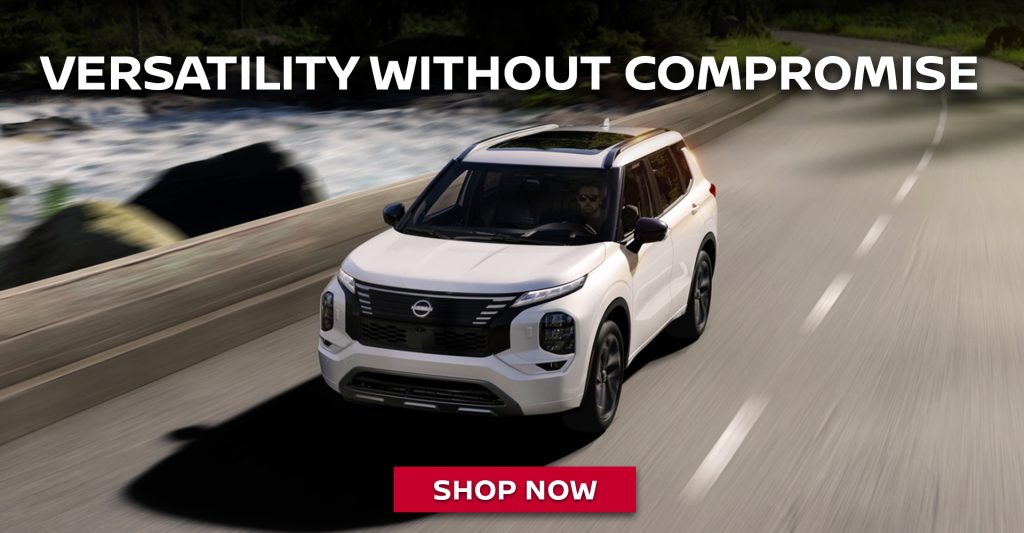
The Ultimate SUV Comparison
When comparing the Nissan Rogue vs. the Honda CR-V, both SUVs offer exceptional value and performance for all your drives throughout Wake Forest, NC, and beyond. However, understanding the differences in features, engine performance, and comfort can help you make the right decision. Whether you prioritize fuel efficiency, advanced safety technology, or interior space, both models provide strong options for a variety of driving needs. This buyer’s guide will compare the Nissan Rogue and Honda CR-V across key categories, including performance, interior space, and technology, to help you determine which SUV aligns best with your personal preference and lifestyle. Let’s dive into the details to see how these popular SUVs stack up against each other. Visit Crossroads Nissan of Wake Forest to test drive the latest Nissan Rogue and see firsthand how it outperforms the competition.
Performance and Engine Options
Power and Engine Displacement
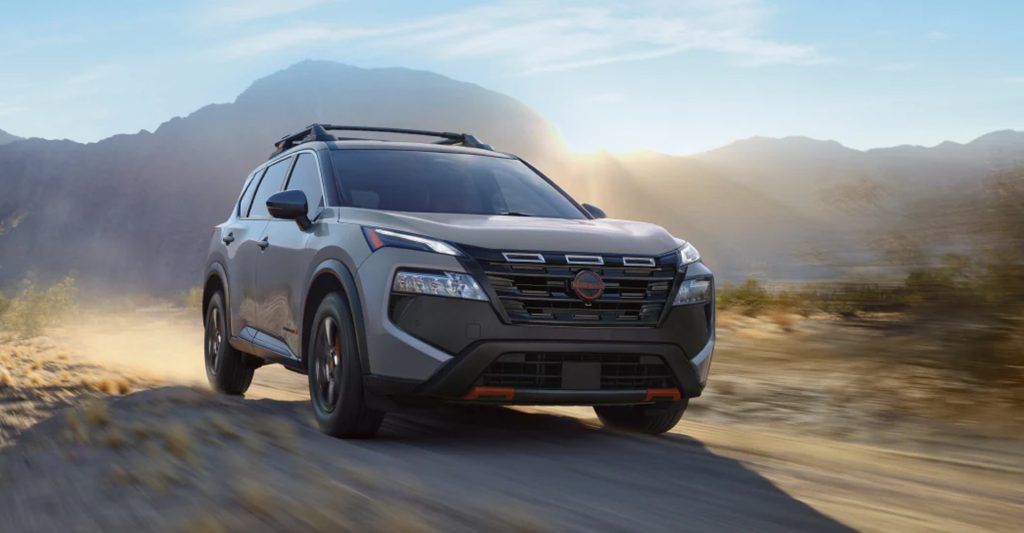
The Nissan Rogue comes equipped with a 1.5L three-cylinder VC-Turbo® engine that delivers an impressive 201 horsepower and 225 lb.-ft. of torque. This advanced engine design offers a unique combination of power and efficiency, making it a standout feature in the compact SUV segment. On the other hand, the Honda CR-V is powered by a 1.5L four-cylinder engine that produces 190 horsepower and 179 lb.-ft. of torque. While the Honda CR-V’s engine provides reliable performance, it lacks the innovative variable compression technology found in the Nissan Rogue’s powertrain. The Nissan Rogue’s powertrain not only boosts performance but also ensures a smooth driving experience, whether you’re navigating city streets or cruising on the highway.
Fuel Efficiency and Driving Conditions
One of the key factors to consider when comparing the Nissan Rogue vs. the Honda CR-V is fuel efficiency. The Nissan Rogue offers better fuel economy, achieving up to 29 MPG in the city and 37 MPG on the highway.* This combined MPG rating of 33 MPG surpasses the Honda CR-V and other SUVs in its class, making the Nissan Rogue an excellent choice for those seeking better fuel economy. In contrast, the Honda CR-V offers respectable fuel economy but falls short of the Nissan Rogue’s efficiency, particularly on the highway, with an EPA-estimated highway MPG of 33.
The Nissan Rogue is built to handle a wide range of driving conditions with ease. Its Intelligent All-Wheel Drive system enhances traction and stability, delivering confident control on wet roads, snowy streets, and uneven terrain. With selectable drive modes, drivers can fine-tune performance to match their journey, whether prioritizing efficiency for daily commutes or capability for more demanding roads. A smooth, continuously variable transmission further elevates ride comfort, making the Nissan Rogue equally at home in the city or off the beaten path. Drive modes such as Eco, Sport, Snow, and Off-Road offer added versatility, while the Nissan Rogue Rock Creek® trim takes adventure a step further with rugged all-terrain tires, roof rack upgrades, and an off-road mode, underscoring the Nissan Rogue’s balance of efficiency and capability.
By combining its efficient three-cylinder engine with advanced driving technologies, the Nissan Rogue proves to be a versatile and fuel-efficient option. Whether you’re looking for a practical daily driver or a capable road trip companion, the Nissan Rogue delivers on all fronts.
Interior Space and Comfort
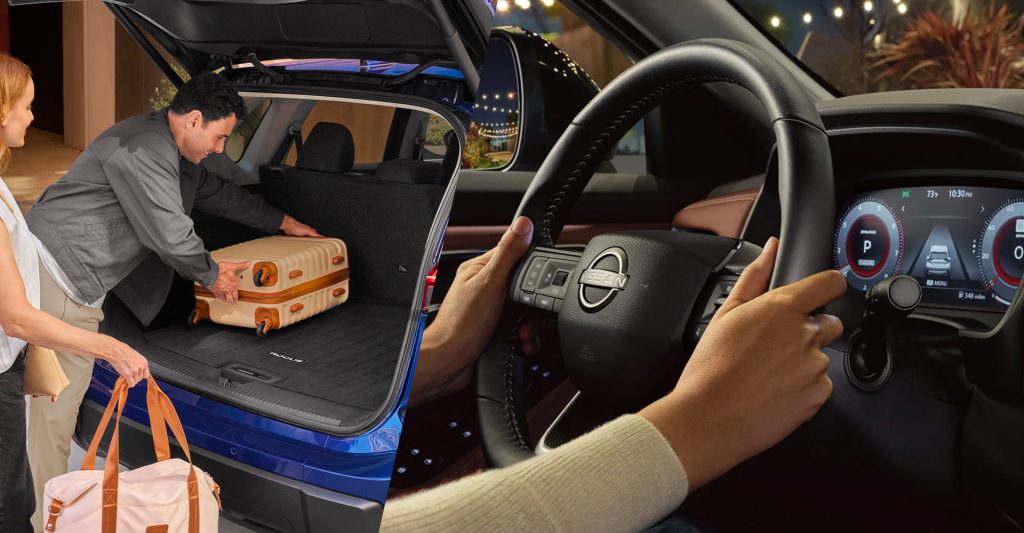
When it comes to interior space, both the Nissan Rogue and Honda CR-V offer seating for five passengers. However, the Nissan Rogue stands out by providing more front leg room and head room, ensuring a comfortable experience for taller drivers and passengers. The front seats in the Nissan Rogue are designed with ergonomics in mind, offering excellent support for long drives. In contrast, while the Honda CR-V also features a well-designed cabin, it does not match the Nissan Rogue’s generous front leg and headroom. In addition to its superior seating comfort, the Nissan Rogue offers a spacious interior that rivals larger SUVs. The second row in the Nissan Rogue provides ample space for passengers, ensuring that everyone can enjoy a relaxed and comfortable ride.
Cargo Volume and Storage Solutions
Cargo capacity is another crucial factor for SUV buyers, and both the Nissan Rogue and Honda CR-V deliver in this area. The Honda CR-V offers a maximum of 76.5 cu.ft. of cargo volume, slightly edging out the Nissan Rogue’s 74.1 cu.ft.. However, the Nissan Rogue compensates with its innovative cargo system, which includes adjustable floor panels and under-floor storage compartments. These storage solutions make it easier to organize and access your belongings, providing added convenience for busy lifestyles.
Furthermore, the Nissan Rogue’s cargo area is designed with flexibility in mind. Whether you’re transporting groceries, sports equipment, or luggage for a family trip, the Nissan Rogue’s versatile cargo space can accommodate your needs. The inclusion of roof rails on certain trim levels also enhances its practicality, providing additional storage when needed. You can also opt for the available Motion-Activated Liftgate, which opens your trunk hands-free. While the Honda CR-V offers excellent cargo volume, it lacks the thoughtful design elements that make the Nissan Rogue’s cargo area so user-friendly. You get more variety with the Nissan Rogue’s cargo space, especially with its available cargo system. The Divide-N-Hide® cargo system offers six smart configurations to help you organize and make the most of its 36.5 cu.ft. of cargo space behind the rear seats.
Overall, the Nissan Rogue’s focus on comfort, interior space, and storage solutions makes it a standout choice for those who prioritize a spacious and practical cabin. Whether you’re driving solo or with family, the Nissan Rogue ensures a comfortable and convenient experience for all.
Technology and Infotainment Features
The Nissan Rogue leads the way in technology with its state-of-the-art infotainment system. It features a large 12.3-in. touchscreen display, which is significantly larger than the Honda CR-V’s 9-in. touchscreen available on higher trims. The Nissan Rogue’s system includes wireless Apple CarPlay® and Android Auto™ as standard features, providing seamless smartphone integration without the hassle of cables. These advanced connectivity options ensure that drivers and passengers can stay connected and entertained on the go.
The Nissan Rogue delivers a more immersive and value-driven in-cabin experience, starting with its larger touchscreen and available BOSE® Premium Sound System that elevates every drive with rich, high-quality audio. Available satellite radio adds even more entertainment options, giving drivers easy access to music, news, and talk radio on the go.
While the Honda CR-V offers popular features like wireless smartphone integration and select premium amenities primarily in higher trims, the Nissan Rogue includes many comparable technologies as standard or more accessible options across its lineup. Features such as advanced connectivity, upscale interior materials, and a comfort-focused design come together seamlessly, making the Nissan Rogue the smarter choice for drivers who want cutting-edge technology and premium touches without upgrading to top-tier trims.
Another standout feature of the Nissan Rogue is the availability of a head-up display that projects critical driving information onto the windshield for easy visibility. This feature minimizes distractions by keeping your eyes on the road. With its advanced infotainment system and additional features such as USB charging and connectivity, the Nissan Rogue delivers a modern, user-friendly driving experience.
Driver Assistance and Safety Technology
Safety technology is a critical consideration when choosing an SUV, and both the Nissan Rogue and Honda CR-V offer a range of driver-assistance features.
The Nissan Rogue also leads the pack with its suite of safety technology. Nissan Safety Shield® 360, which includes Automatic Emergency Braking with Pedestrian Detection, Rear Automatic Braking, Rear Cross-Traffic Alert, Blind Spot Warning, Lane Departure Warning, and High Beam Assist, comes standard across all trims. These features, coupled with ProPILOT Assist 2.0 and Intelligent Cruise Control, elevate the driving experience and provide peace of mind on all your daily commutes in Wake Forest, NC. While Honda Sensing® in the Honda CR-V offers similar safety features with Collision Mitigation Braking System™, Road Departure Mitigation System, and Adaptive Cruise Control, the Nissan Rogue goes a step further with more intuitive systems and additional conveniences, such as parking sensors and a 360-degree camera. Its available 3D Enhanced Intelligent Around View Monitor, which allows you to rotate the camera view around the vehicle, giving you greater awareness of your surroundings with the inclusion of Invisible Hood View, providing a clear look beneath the front of the vehicle to help you confidently avoid obstructions and hard-to-see curbs.
The Nissan Rogue also offers Nissan ProPILOT Assist 2.1 with Intelligent Cruise Control, enhancing the driving experience with semi-autonomous capabilities. This advanced system is particularly useful in highway driving conditions, helping maintain a safe distance from other vehicles and keeping the SUV centered in its lane. The Nissan Rogue’s ProPILOT Assist 2.1 system offers a more seamless and intuitive experience than the Honda Sensing® safety suite, giving it an edge in driver-assistance technology.
Whether you’re navigating crowded city streets or traveling on the highway, the Nissan Rogue’s advanced safety features provide peace of mind in a variety of driving conditions.
Trim Levels and Customization
The Nissan Rogue offers a range of trim levels to cater to different preferences and budgets. At the top of the lineup, the Nissan Rogue Platinum trim provides a luxurious driving experience with premium features. Highlights of this trim include quilted semi-aniline leather seats, Tri-Zone Climate Control, and a Dual Panel Panoramic Moonroof, creating a refined and comfortable cabin. The Nissan Rogue Platinum trim also includes advanced technology, such as a head-up display, making it an ideal choice for buyers seeking a high-end SUV.
For those looking for a balance of value and features, the Nissan Rogue SV trim is a popular option. It comes with standard features like roof rails, a continuously variable transmission, and Nissan’s flexible cargo system, ensuring a smooth ride and ample practicality. With multiple trims to choose from, the Nissan Rogue lineup offers something for everyone, from budget-conscious shoppers to those seeking premium amenities.
Nissan Rogue Additional Options
The Nissan Rogue lineup offers standout personalization options, including eye-catching two-tone paint combinations and rugged Rock Creek® styling. The Nissan Rogue Rock Creek® trim features 17-in. dark-painted aluminum-alloy wheels paired with 235/65R17 all-terrain tires, along with Hill Descent Control that automatically manages speed and braking for a more controlled, confident descent. Inside, exclusive Rock Creek leatherette-appointed seats with contrast stitching and distinctive badging add a refined yet adventurous touch. These customization choices make it easy to tailor the Nissan Rogue to your lifestyle and design preferences. Whether you’re drawn to bold styling or capability-focused features, the Nissan Rogue offers a wide range of trims and options that deliver both personality and practicality, cementing its place as a versatile, adaptable SUV built for everyday life and weekend adventures alike.
Why the Nissan Rogue Stands Out
The Nissan Rogue stands out against competitors like the Honda CR-V by delivering what compact SUV shoppers value most: exceptional efficiency, advanced technology, and everyday versatility. With up to 37 MPG on the highway, the Nissan Rogue outperforms key rivals and even some larger SUVs, making it an ideal choice for commuters and road-trip enthusiasts alike. Its advanced safety features, smooth ride quality, and intelligent driver-assist technologies inspire confidence in every driving situation. Inside, the Nissan Rogue offers a spacious, well-designed cabin with flexible cargo solutions that easily adapt to busy families and active lifestyles. A wide range of trims, from the well-equipped Nissan Rogue SV to the premium Nissan Rogue Platinum, allows drivers to find the right balance of comfort, style, and innovation. Efficient, adaptable, and thoughtfully engineered, the Nissan Rogue delivers outstanding value and remains a top contender in the compact SUV segment.
Test Drive A Winner
Ultimately, the Nissan Rogue excels by combining innovative technology, advanced safety features, and impressive fuel efficiency in a stylish, versatile package. Visit Crossroads Nissan of Wake Forest to explore the Nissan Rogue models, take a closer look at the available features, and take a test drive today.
*EPA Fuel Economy Estimates. Actual mileage may vary with driving conditions—use for comparison only.
Nissan Altima SL vs. SR: Explore the Perfect Trim
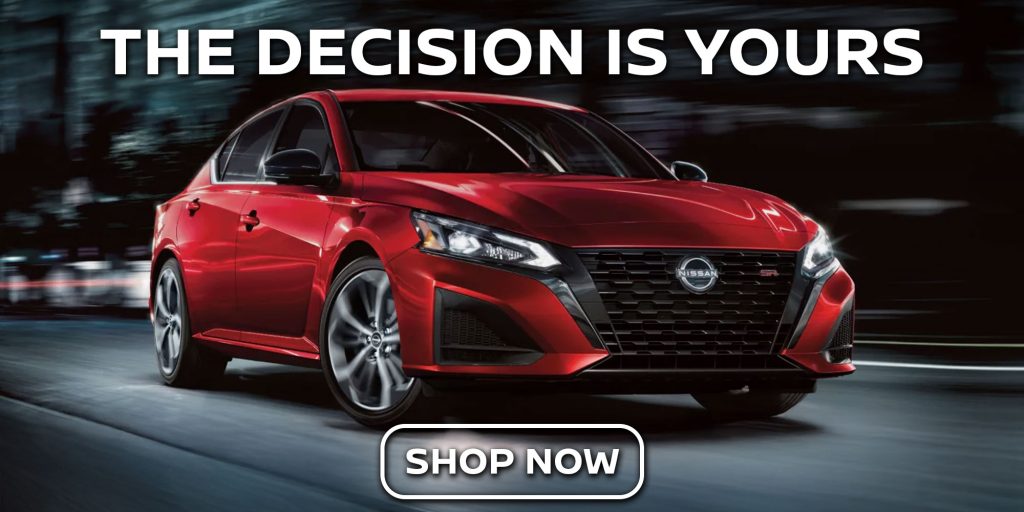
Choosing between the Nissan Altima SL vs. SR comes down to how you want your mid-size sedan to look, feel, and perform. Both trims build on the strengths of the Nissan Altima nameplate of efficiency, advanced safety, and modern technology, while delivering two very different personalities. Whether your priority is upscale comfort or athletic styling, understanding how each trim level is equipped helps ensure you choose the right fit. Visit Crossroads Nissan of Wake Forest to see which of the Nissan Altima SL vs. SR trims are for you.
Design and Exterior Styling Differences
As a long-standing Nissan model, the Nissan Altima offers a thoughtful balance of innovation and everyday usability, making it an appealing option for drivers shopping beyond the base model and into more feature-rich trim options. When looking at the Nissan Altima SL vs. SR comparison, there are some visual differences you’ll discover.
The Nissan Altima SL trim leans into elegance with refined exterior details that give the car a premium road presence. A black with chrome surround V-Motion grille anchors the front fascia, complemented by machine-finished aluminum-alloy wheels that add polish without looking overstated. At the top, a standard sliding and tilting moonroof reinforces the Nissan Altima SL’s upscale character.
By contrast, Nissan Altima SR features emphasize sport-inspired design cues. This trim stands out with black aluminum-alloy wheels and a dark chrome grille. These sleek elements add a visual edge, giving the Nissan Altima SR a bolder appearance among Altima models.
Interior Comfort and Cabin Experience
The interiors for the Nissan Altima SL vs. SR become even more distinguished, providing preferences that cater to different lifestyles.
Inside the Nissan Altima SL, comfort is the priority. Premium leather-appointed seats create a refined atmosphere, supported by four-way front passenger and eight-way driver power-adjustable seats with standard lumbar support that enhance long-distance comfort. A leather-wrapped steering wheel and thoughtful ergonomic design elevate the cabin beyond what’s expected in a mid-size sedan.
The Nissan Altima SR cabin takes a different approach, pairing a leatherette-wrapped steering wheel with supportive sport bucket seating and available integrated lumbar support for a more engaging feel. While still comfortable in sport cloth seats for daily use, the interior emphasizes connection to the road, aligning with the Nissan Altima SR’s athletic intent and overall driving experience.
Performance and Ride Quality
Both Nissan Altima SL vs. SR trims are powered by a responsive 2.5L four-cylinder engine that puts out 188 horsepower and 180 lb.-ft. of torque. This is paired with a continuously variable transmission designed for smooth acceleration and efficiency. While Nissan’s Xtronic CVT plays a major role in delivering seamless power delivery during city driving and highway cruising, systems like Active Ride Control and Intelligent Trace Control work behind the scenes to maintain stability and composure. You’ll also enjoy an EPA-estimated 27 MPG for city commutes and 37 MPG on the highway.*
Where the trims diverge is in ride tuning. The Nissan Altima SR features a sport-tuned suspension that sharpens handling response and adds confidence through corners. Paddle shifters further enhance driver engagement, offering manual-style control when desired. Meanwhile, the Nissan Altima SL focuses on ride comfort, allowing you to enjoy a smoother, more plush ride, especially over rough pavement or longer routes.
Technology and Convenience
Technology is a strong point for the Nissan Altima SL vs. SR trims, featuring the NissanConnect® services with a color display, intuitive multi-touch control, and smartphone integration through Wireless Apple CarPlay® and Android Auto™. The integrated audio system delivers clear sound and easy access to media, navigation, and vehicle settings. While the Nissan Altima SR has an 8-in. touchscreen as standard, the Nissan Altima SL trim is upgraded to a 12.3-in. screen. Whichever one you decide on, you’ll be able to enable access to vehicle features and alerts, including select text messages delivered through the infotainment system. These technologies make the newest Nissan Altima easier to integrate into a connected lifestyle. Both Nissan Altima SL vs. SR also include thoughtful features that enhance daily usability, such as a remote engine start system, a 7-in. multi-function information display to keep you informed, and illuminated steering wheel-mounted audio controls.
Both models feature an electronic parking brake with Automatic Brake Hold for stop-and-go traffic. The Nissan Altima SL trim has automatic temperature control, optional on the SR,, maintaining consistent cabin comfort regardless of outside conditions.
The Nissan Altima SL trim further adds convenience-focused technology, including Nissan Door to Door Navigation, which seamlessly connects your route planning between your vehicle and mobile device. Voice interaction is enhanced through Hello Nissan and Alexa Built functionality, allowing hands-free access to select features while on the move.
Advanced Safety and Driver Assistance
Safety remains a defining strength of the Nissan Altima SL vs. SR comparison. Both trims come equipped with Nissan Safety Shield® 360, which includes core driver-assist technologies such as Automatic Emergency Braking with Pedestrian Detection, Blind Spot Warning, Lane Departure Warning, Cross Traffic Alert, and more. Intelligent Forward Collision Warning and Intelligent Driver Alertness add another layer of reassurance by monitoring traffic patterns and driver behavior. Additional standard systems like Rear Automatic Braking, Rear Cross Traffic Alert, and High Beam Assist provide extra awareness in daily driving situations. Traffic Sign Recognition on the SL trim further supports driver confidence by displaying key roadway information directly in the instrument cluster.
If you’re looking for more premium safety features, the Nissan Altima SL trim builds on this foundation with ProPILOT Assist 1.0, which can help maintain speed and lane position in certain conditions.
Which One Is Right for You?
No matter which trim you choose, the Nissan Altima continues to be a compelling choice in the competitive mid-size sedan segment. The best way to decide between the Nissan Altima SL vs. SR is to schedule a test drive at Crossroads Nissan of Wake Forest to experience firsthand how each trim’s key features aligns with your preferences.The Nissan Altima SL is ideal for drivers who value refinement, advanced driver assistance, and upscale materials such as leather seats. Its focus on comfort, smooth ride quality, and premium technology makes it well-suited for commuters and long-distance travelers alike. The Nissan Altima SR, on the other hand, appeals to drivers drawn to dynamic styling and a more engaging feel behind the wheel. From its bold exterior accents to its performance-oriented suspension tuning, it delivers a more energetic personality while remaining practical for everyday use. Select yours from our Nissan dealer in Crossroads Nissan of Wake Forest today!
*EPA Fuel Economy Estimates. Actual mileage may vary with driving conditions—use for comparison only.

Platinum Reserve Refinement
The newest Nissan Armada sets the bar high in the full-size SUV segment. Thanks to the elite Nissan Armada Platinum Reserve package, your driving experience is elevated even further. With bold styling, premium materials, advanced technology, and genuine capability, the Nissan Armada Platinum Reserve package blends the power and presence you expect with the refinement you crave. At Crossroads Nissan of Wake Forest, we invite you to experience this standout model by scheduling your test drive today and discovering the difference for yourself.
Core Strengths
Before exploring the Nissan Armada Platinum Reserve package, it’s important to understand the foundation of the Nissan Armada. This full-size SUV is powered by a robust 3.5L twin-turbocharged V6 engine that delivers 425 horsepower and 516 lb.-ft. of torque. Mated to a nine-speed automatic transmission, the Nissan Armada offers confident capability whether you’re towing, transporting a full family or navigating urban terrain. With seating for up to eight and a body-on-frame construction rooted in durability, it stands out among large SUVs for both strength and premium utility. In terms of dimensions and fuel economy, the Nissan Armada spans approximately 209.6 in. in length and offers up to an EPA-estimated 20 MPG on the highway.* Standard features across the lineup include advanced connectivity like wireless Apple CarPlay® and Android Auto™, and the brand’s full suite of driver-assist technologies as part of the Nissan Safety Shield® 360. This baseline delivers the strong performance, spaciousness, and technology you would expect from the Nissan Armada. And now, the Nissan Armada Platinum Reserve package refines it further.
Premium Enhancements
When you choose the Nissan Armada with the Platinum Reserve package trim level, you unlock the foremost expression of this SUV. The engine and transmission remain the same, but you gain elevated materials, technology, and features that distinguish this trim. On the Nissan Armada Platinum Reserve, you’ll find quilted leather-appointed seating in the first and second rows, climate-controlled front seats, and ambient mood lighting throughout the cabin. The infotainment screen grows to a 14.3-in. display with full-function Google built-in and expansive connectivity via NissanConnect® Services. When looking at the Nissan Armada Platinum Reserve vs. Platinum trims, the Nissan Armada Platinum Reserve package offers all the luxury, technology, and premium detailing found in the Platinum trim, but elevates the experience with features like 22-in. wheels, adaptive air suspension, and other exclusive upgrades.
The Nissan Armada Platinum Reserve signifies stepping into the pinnacle of the line and embracing the most refined interpretation of the full-size SUV. Meanwhile, capability remains intact: eligible for either wheel-drive configuration, you’re able to tow up to 8,500 lbs. when properly equipped. The Adaptive Electronic Air Suspension, standard on this higher tier, allows ride-height adjustment to help achieve increased ground clearance when needed. In short, the Nissan Armada Platinum Reserve package transitions the model from merely capable to exceptionally refined, luxurious, and ready for anything.
Tailored to Your Lifestyle
Owning a Nissan Armada Platinum Reserve means living at the intersection of family-friendly space, upscale comfort, and real-world capability. Imagine driving your crew on a weekend getaway: with seats for eight, you can easily load friends, sports gear, or kids into the cabin. Large cargo space ensures that suitcases, coolers, and outdoor gear fit effortlessly. On arrival, the power liftgate makes loading and unloading a breeze. Meanwhile, the available premium paint and quilted leather interior deliver upscale style for both the daily school run and a night out on the town.
For towing a boat, trailer, or camper, the Nissan Armada Platinum Reserve package offers real utility. Off-road, or simply crossing less-maintained terrain at a resort or seaside access way, the adaptive suspension and variable ground clearance offer confidence and flexibility. In inclement weather or light off-road scenarios, the four-wheel drive system adds extra traction for peace of mind. Inside, the Nissan Armada Platinum Reserve package features convenience in the navigation system, while the NissanConnect Services ecosystem keeps you connected and on track. With comfort features like power-adjustable front seats and climate-controlled seating, long drives become relaxing, not tiring. When you’re driving in style, the Nissan Armada Platinum Reserve package elevates the everyday commute into something special. For a weekend road trip, the automatic transmission shifts seamlessly, and the responsive engine delivers a smooth yet powerful feel whether merging on the highway or overtaking with ease. And for family or friends in the second row, the heated outboard seats in the Nissan Armada Platinum Reserve package ensure everyone travels in comfort.
Experience the Nissan Armada
In summary, the Nissan Armada Platinum Reserve package delivers a full-size SUV experience that doesn’t compromise power, refinement, and utility. Visit Crossroads Nissan of Wake Forest today for a test drive to experience how the Nissan Armada Platinum Reserve package takes your SUV to the next level.
*EPA Fuel Economy Estimates. Actual mileage may vary with driving conditions—use for comparison only.
Choosing Between Classic & Luxury
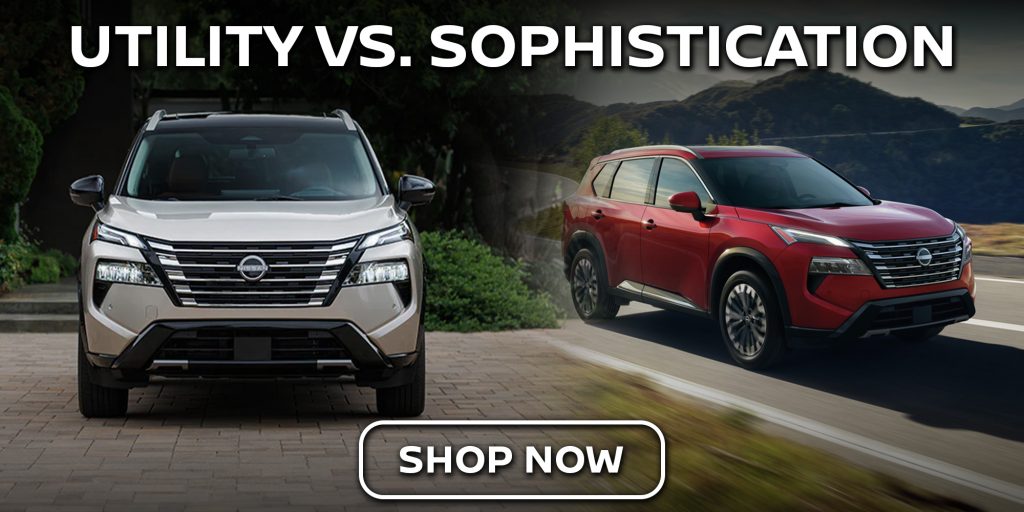
For many shoppers comparing the Nissan Rogue SV vs. Platinum, the question isn’t whether one is better than the other, it’s which personality of this versatile SUV fits their daily life best. With the same core engineering under the hood, the real story in the Nissan Rogue SV vs. Platinum comparison is how each model balances value, comfort, and technology. Whether you’re just starting to explore Nissan Rogue trim options or already deep into researching, Crossroads Nissan of Wake Forest is ready to help you narrow in on the right fit and arrange a convenient test drive.
Designed For More
From the outside, it’s easy to see why many shoppers narrow their search to the Nissan Rogue SV vs. Platinum. Both share the same black grille with chrome accents, LED low/high beam headlights, and a clean front bumper treatment. When you take a look at the Nissan Rogue Platinum, it layers on more visual drama. The Nissan Rogue Platinum’s standard Dual Panel Panoramic Moonroof with power sunshade and expansive glass dramatically opens up the cabin with light. The Platinum trim is also upgraded to 19-in. aluminum-alloy wheels and outside mirrors with a reverse tilt-down feature and integrated turn signal indicators, while both Nissan Rogue SV vs. Platinum share heated mirrors and conventional rear doors for easy access. Everyday convenience is enhanced by power-operated cargo access, including a power liftgate that helps when your hands are full, and by thoughtful touches such as rear door sunshades for rear passengers.
Everyday Capability
The Nissan Rogue SV trim builds a strong foundation of standard features, while the Nissan Rogue Platinum focuses on premium materials, added convenience, and an elevated driving experience. Both Nissan Rogue SV vs. Platinum share the same 1.5L VC-Turbo® DOHC 12-valve three-cylinder engine and Xtronic CVT®, delivering confident strength at 201 horsepower and 225 lb.-ft. of torque. When you line up the Nissan Rogue SV vs. Platinum on paper, their performance specifications look almost identical, which is good news if you care about smooth, efficient commuting.
Front-wheel drive is standard on the Nissan Rogue SV, with all-wheel drive available. All-wheel drive comes standard on the Nissan Rogue Platinum trim, providing drivers in varying climates with extra confidence on wet or slippery roads. In terms of traveling for the Nissan Rogue SV vs. Platinum, an efficient 29 MPG in city driving and 36 MPG on the highway is the EPA-estimated fuel economy rating achieved by the Nissan Rogue SV, giving it a slight edge over the Platinum.* Because of their similar mechanical setups, the Nissan Rogue SV vs. Platinum will feel equally smooth and responsive on the highway. The choice between these trims is less about raw power and more about how you want that capability supported by comfort and technology in daily use.
Interior Comfort
The Nissan Rogue SV vs. Platinum benefit from strong standard features, allowing you to confidently focus on which combination of driver assistance, design, and cabin tech best fits your priorities. When you step inside, the contrast between the Nissan Rogue SV vs. Platinum cabins becomes much clearer. Both versions share a spacious layout with flexible cargo space. You’ll notice that the Nissan Rogue SV has another edge over its luxurious companion, offering up to 36.5 cu.ft. of space with all seats in place as opposed to the Nissan Rogue Platinum’s 36.3 cu.ft.—though both models can expand up to 72.9 cu. ft. of total cargo volume. In addition, the Nissan Rogue SV vs. Platinum has reclining, folding rear seats, making it well-suited for families, commuters, and weekend travelers alike. Rounding out daily convenience are more elements the Nissan Rogue SV vs. Platinum share, such as keyless entry via Nissan Intelligent Key, push button ignition, remote start, and NissanConnect® with Wi-Fi Hotspot.
The Nissan Rogue SV trim starts with durable cloth seating and available Prima-Tex® seat upholstery with the SV Premium Package, offering a practical and upscale ambience for families. On colder mornings, a heated steering wheel, available on the Nissan Rogue SV but standard on the Platinum, adds another layer of comfort, especially for long commutes or chilly school runs. By comparison, the Nissan Rogue Platinum trim wraps occupants in semi-aniline leather-appointed seats, creating a deluxe feel that reinforces its upscale positioning and supports both front seats on longer drives. A Driver Memory Seat is also standard for the Nissan Rogue Platinum owners, simplifying life if more than one person regularly drives the vehicle.
Intuitive Technology & Safety
Climate and seating adjustability also shift as you look into the Nissan Rogue SV vs. Platinum. Both models are equipped with Dual Zone Automatic Temperature Control System for easier, set-it-and-forget-it comfort, while a Tri-Zone option is available on Platinum. Features like USB ports, a Wi-Fi Hotspot, and an intuitive infotainment system help keep everyone connected on road trips and during daily errands. The Nissan Rogue SV uses an 8-in. infotainment system and a six-speaker audio setup. In contrast, the Nissan Rogue Platinum models receive a 12.3-in. infotainment system, a premium sound system with a 10-speaker Bose layout, wireless charging, and the reconfigurable LCD cluster.
In terms of confidence on the road, every Nissan Rogue SV vs. Platinum comparison begins with Nissan Safety Shield® 360, which is standard across the lineup and bundles key technologies like Automatic Emergency Braking with Pedestrian Detection to help monitor traffic and surroundings. Rear Automatic Braking and a rear sonar system add support when backing out of driveways or parking spaces, while features such as Hill Start Assist and Predictive Brake Assist help the driver in maintaining control on steep grades or in stop-and-go traffic and emergency stop situations.
On the Nissan Rogue Platinum, Nissan Safety Shield® 360 capabilities are expanded with Traffic Sign Recognition and Intelligent Around View® Monitor. Available ProPILOT Assist 2.1 builds on core ProPILOT Assist 1.1 concepts for even more safety features. Both models include ProPILOT Emergency Stop with e-call capability, available head-up display for key information, high beam assistance, and Platinum includes all-around coverage through a Front, Rear, and Side Sonar System, reinforcing the Nissan Rogue SV vs. Platinum gap for shoppers who want one of the most comprehensive assistance suites Nissan offered in the latest model year.
Final Thoughts
Ultimately, deciding between Nissan Rogue SV vs. Platinum comes down to how you prioritize comfort, technology, and luxury in your next ride. If you want a well-equipped SUV with impressive efficiency and strong safety features, the Nissan Rogue SV trim delivers a compelling balance of value and standard features. Drivers who crave premium materials and an elevated driving experience will enjoy the Nissan Rogue Platinum. By weighing these trim options side by side, you can decide which blend of features, Nissan Rogue SV vs. Platinum, best complements your lifestyle. To experience the differences in person, visit Crossroads Nissan of Wake Forest to explore these options up close and test drive today.
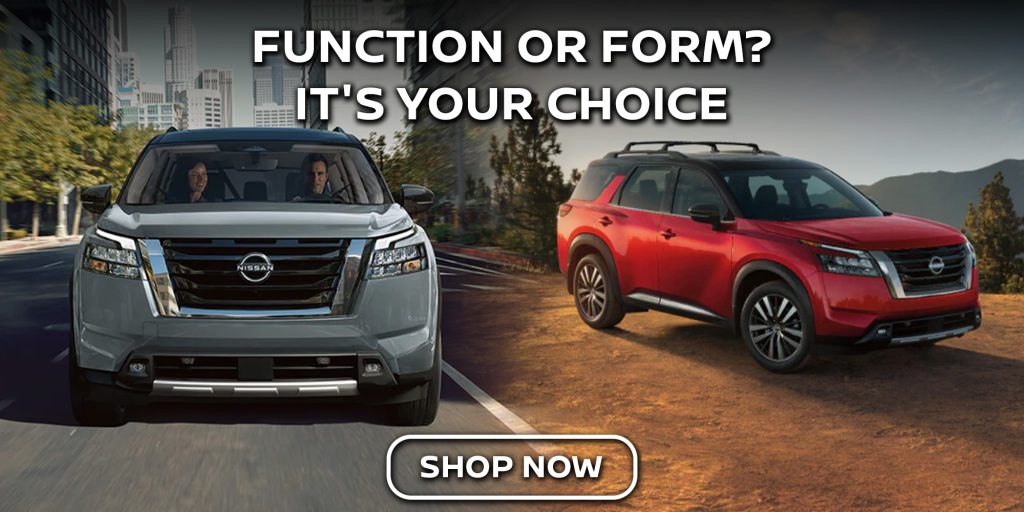
Utility Or Luxury? Finding Your Nissan Pathfinder
The Nissan Pathfinder SL vs. Platinum comparison highlights two of the strongest options in the new Nissan Pathfinder lineup, giving drivers a choice between elevated practicality and premium refinement. Whether your lifestyle leans toward family road trips, daily commuting, or outdoor exploring, both trims provide versatility, modern technology, and driver-focused comfort. With features designed for safety, convenience, and confidence on every journey, this Nissan SUV stands out as a reliable companion built for real-world needs. Visit Crossroads Nissan of Wake Forest for a test drive of the Nissan Pathfinder SL or Platinum to find your perfect match.
Why the Nissan Pathfinder Stands Out
Drivers considering the Nissan Pathfinder SL vs. Platinum comparison often begin by appreciating what makes the latest model so compelling. A robust V6 engine with direct injection gasoline technology powers every Nissan Pathfinder, delivering smooth acceleration and durability. The interior emphasizes comfort with available tri-zone automatic climate control, thoughtful interior trim, and roomy passenger seating. On the tech side, the Nissan Pathfinder adds premium touches like wireless Apple CarPlay®, Android Auto™, and a crisp color touch-screen display.
Safety is foundational, with Nissan Safety Shield® 360, including Lane Departure Warning, Pedestrian Detection, Blind Spot Warning, Rear Cross Traffic Alert, and Automatic Emergency Braking. With so many smart conveniences and driver-assistance features, from Intelligent Driver Alertness to Intelligent Forward Collision Warning, the Nissan Pathfinder is built for calm confidence and family-focused comfort.
The Nissan Pathfinder SL vs. Platinum both offer excellent highway MPG as well, making them appealing for family trips, commuting, and adventure travel alike. The Nissan Pathfinder SL offers an EPA-estimated 21 MPG in the city, 27 MPG on the highway, and 23 MPG combined, giving you an optimized driving experience. By contrast, the Nissan Pathfinder Platinum trails behind at an EPA-estimated 20 MPG for city commutes, 25 MPG for highway runs, and 22 MPG combined.*
Same Stylish & Functional Design
Before examining Nissan Pathfinder SL vs. Platinum styling differences, let’s take a look at their similarities. Both trims offer the rugged sophistication buyers expect, featuring bold lines, sculpted LED taillights, and dark-painted aluminum-alloy wheels. Functional details like black roof rails, privacy glass, and an available tubular roof rack enhance everyday utility.
Exterior colors such as the striking Gun Metallic add personality, while high ground clearance supports confidence during tougher driving conditions. Practical touches include fog lights, smart outside mirrors, and available signal indicators integrated into the housings.
SL vs. Platinum Exterior Features
The Nissan Pathfinder SL vs. Platinum trims do not differ much when it comes to exterior features. Both Nissan Pathfinder trims include heated outside mirrors and a rugged, functional appearance designed for reliability. It also includes a hands-free Remote Engine Start System, enhancing convenience on busy mornings.
Both trims elevate the exterior experience with a power liftgate, distinctive machine-finished aluminum-alloy wheels, and eye-catching styling elements. These features mirror the Nissan Pathfinder’s focus on elevated luxury and intuitive convenience.
Premium Seating & Interior Comfort
Inside, the Nissan Pathfinder SL vs. Platinum differences become more pronounced. Additional utility comes from its spacious cargo area, especially when pairing the flat-folding second-row seats and the convenient EZ FLEX® Seating System for maximum flexibility.
The Nissan Pathfinder SL offers leather seating material, heated front seats, and streamlined comfort. With supportive rear seats, thoughtful interior accent details, and automatic temperature control, the Nissan Pathfinder SL delivers excellent everyday usability in the Nissan Pathfinder SL vs. Platinum comparison.
The Nissan Pathfinder Platinum elevates the cabin atmosphere with Semi-Aniline leather-appointed seats, a leather-wrapped heated steering wheel, and ventilated/cooling front seats. Its digital dashboard, upgraded premium BOSE® audio system, and advanced head-up display create a sophisticated driving experience. Families and commuters alike enjoy the roomy layout, including excellent front head room and shoulder room, making long trips more relaxing. In the Nissan Pathfinder SL vs. Platinum comparison, you’ll find that the Nissan Pathfinder Platinum further enhances convenience and comfort with its interior features.
Which Nissan Pathfinder Trim Suits You Best?
In the Nissan Pathfinder SL vs. Platinum decision, the SL trim offers outstanding value with essential standard features, durable seating, and versatile practicality. This is ideal for families seeking performance and comfort without stretching the budget. By contrast, the Nissan Pathfinder Platinum trim caters to drivers wanting the highest luxury and tech, with upgrades like Semi-Aniline leather seats, exclusive Platinum trim materials, and premium digital interfaces. Its enhanced convenience and elevated feel appeal to owners who want the most refined SUV experience.
Create Your Path
The best way to experience the differences in Nissan Pathfinder SL vs. Platinum is to see them in person. Visit Crossroads Nissan of Wake Forest to pick your favorite today.
*EPA Fuel Economy Estimates. Actual mileage may vary with driving conditions—use for comparison only.
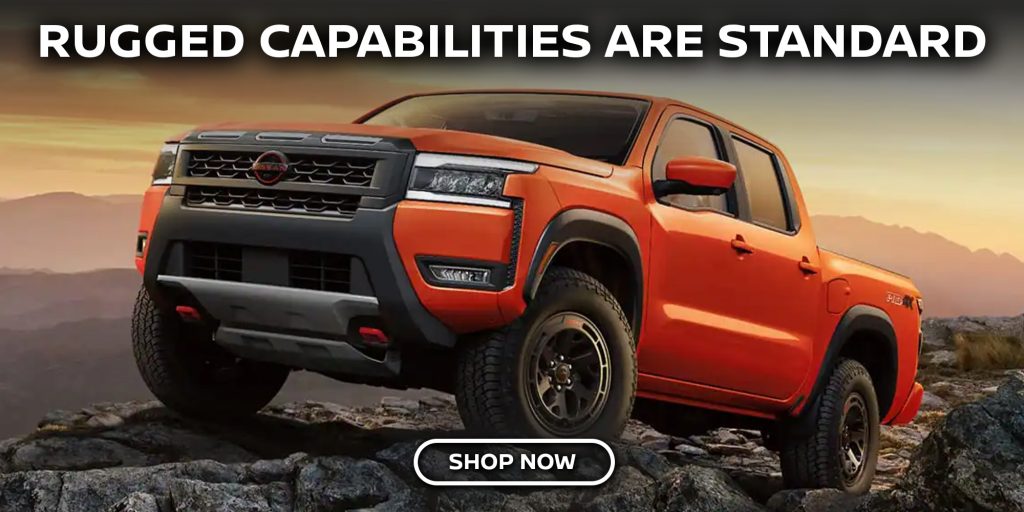
Nissan Frontier Trims For Adventure Or Everyday Power: SV vs. PRO-4X®
The Nissan Frontier SV vs. PRO-4X® comparison showcases how two trims of the same rugged truck cater to distinctly different lifestyles. For drivers seeking reliable power, cutting-edge tech, and legendary durability in the midsize truck class, both trims deliver. Whether your focus is weekday practicality or weekend off-road capability, the Nissan Frontier balances muscle with refinement. From the Nissan Frontier SV’s everyday versatility to the PRO-4X model’s trail-taming edge, Nissan’s craftsmanship ensures capability, comfort, and confidence in one bold package. Discover which one is best for you from Crossroads Nissan of Wake Forest today!
Tough Construction
Nissan gives the Nissan Frontier SV vs. PRO-4X a commanding presence through functional and aesthetic enhancements. The Nissan Frontier SV trim features 17-in. aluminum-alloy wheels, body-color outside mirrors, and a body-color grille with gloss-metallic inner that blend ruggedness with polish. The Nissan Frontier PRO-4X amplifies attitude with 17-in. PRO wheels, black overfenders, and trail-ready red tow hooks. Distinctive signature headlights, LED Daytime Running Lights, and modern taillights boost visibility and style, while optional sunroof panels bring more light into the cabin.
Function meets form in the truck bed of each Nissan Frontier SV vs. PRO-4X. Their Utili-Track® Channel System and available built-in rail bed lighting simplify loading gear after dark. The Nissan Frontier SV offers easy cargo access with a dampened assist tailgate, while the Nissan Frontier PRO-4X adds reinforced mounts and integrated tow hitch receiver hardware for demanding tasks. No matter your preferred model, they wear bold sheet metal shaped for aerodynamic strength and long-lasting durability.
Powertrain & Performance Engineering
Both the Nissan Frontier SV vs. PRO-4X share a 3.8L V6 engine paired with a smooth nine-speed automatic gearbox. This combination produces 310 horsepower and robust torque for towing, while maintaining impressive balance and fuel tank range for long drives. The Nissan Frontier PRO-4X model enhances off-road performance with Bilstein® off-road-tuned shock absorbers and trail-ready all-terrain tires. The Nissan Frontier SV trim focuses on composed road manners and confident acceleration, making it ideal for everyday commutes or job-site runs.
Both Nissan Frontier SV vs. PRO-4X benefit from durable design elements like a galvanized steel body, available front skid plate protection, and front tow hooks. When it comes to traction, both models are available in a robust four-wheel-drive configuration. Hill Start Assist, available Hill Descent Control, and the user-selectable 4WD system work together to keep you stable on steep or slippery surfaces. In short, the Nissan Frontier SV vs. PRO-4X matchup proves both trims can pull their weight, with a shared maximum towing capacity of up to 7,150 lbs. and solid payload capacity that underlines Nissan’s strength.
Interior Comfort & Smart Technology
Take a look inside of the Nissan Frontier SV vs. PRO-4X. You’ll discover more distinctive features that set them apart from comfort and durability to an elevated experience with premium materials. The Nissan Frontier SV trim is equipped with cloth seat upholstery, supportive front seats, and a practical bench seat design that easily folds into a flip-up rear bench seat to extend storage space. The rear seat area features a sliding rear window for fresh air and easy cargo access. For those wanting more luxury, the Nissan Frontier PRO-4X adds optional leather-appointed seats, a premium leather-wrapped steering wheel, and enhanced touchpoints throughout.
The Nissan Frontier SV vs. PRO-4X’s technology suite centers on the 12.3-in. NissanConnect® touchscreen display, integrating Apple CarPlay®, Android Auto™, Wi-Fi Hotspot, and hands-free voice recognition. Key entertainment comes through the six-speaker audio system, while available upgrades include a premium sound system, built-in navigation system, and a wireless device charging pad within the center console. Practical amenities such as a 12-volt power outlet and clever storage spaces make the Nissan Frontier SV vs. PRO-4X as functional as it is refined.
Advanced Safety & Driver Assistance
Safety is a major priority for both trims in the Nissan Frontier SV vs. PRO-4X comparison. Standard safety features from Nissan’s Safety Shield® 360 suite include Automatic Emergency Braking with Pedestrian Detection, Rear Automatic Braking, Lane Departure Warning, and more. The system also incorporates Intelligent Driver Alertness and Intelligent Cruise Control, which adjusts speed automatically in traffic.
Blind-spot awareness is reinforced in Nissan Frontier SV vs. PRO-4X, especially if you’re towing or reversing. Features like blind spot alerts and extended blind spot monitoring, along with Rear Cross Traffic Alert and a rearview monitor, assist in navigating tight parking spaces. Parking support also comes from the Rear Sonar System, while the optional 360-degree surround-view camera gives a complete perspective around the truck. Intelligent Auto Headlights on Platinum and High Beam Assist on both models ensure perfect illumination at night.
A New Frontier
Whether you’re choosing the practical Nissan Frontier SV or the rugged Nissan Frontier PRO-4X, both deliver legendary durability and the confidence of Nissan engineering. To see them side by side, visit our dealer in Wake Forest, NC, or our website to browse our new inventory, compare each available trim, and schedule a personalized test drive. Contact our team at Crossroads Nissan of Wake Forest to explore financing and find your perfect match between the Nissan Frontier SV vs. PRO-4X today!

Selecting The Nissan Murano Trim Level For You: SL vs. Platinum
Nissan Murano SL vs. Platinum is the conversation every style-minded SUV shopper may have. Both are premium midsize SUVs that offer a serene ride, polished cabins, and confident traction choices for your drivetrain. The newest Nissan Murano pairs an efficient engine with a smooth and quiet ride to offer a premium driving experience that stands out in traffic or on the open road. At Crossroads Nissan of Wake Forest, we’ve provided a comparison between two of the Nissan Murano’s luxury models: the Nissan Murano SL and Nissan Murano Platinum. Read on, and visit us for a test drive soon!
Why a Nissan Murano? Details That Matter
For style and visibility in the Nissan Murano SL vs. Platinum comparison, Nissan brings signature lighting and upscale metallics. Up front, crystalline LED headlights cut through the night, while sculpted taillights emphasize width and available fog lights help in poor weather. The Nissan Murano’s cabin glow pairs with interior ambient lighting while the profile stays neat with available Exterior Ground Lighting w/Logo & Rear Illumination. Optional packages can add black wheels contrast, and you’ll appreciate the available Panoramic Moonroof when the sun is shining. When you’re loading up, the motion-activated power liftgate makes quick work of groceries and gear.
Powering the Nissan Murano SL vs. Platinum is a 2.0L four-cylinder engine with a nine-speed automatic transmission for a refined blend of punch and fuel economy. This EPA estimate allows for up to 21 MPG in city driving and 27 MPG on highways, optimizing all commutes.* Additionally, when you’re deciding between the Nissan Murano SL and Platinum, safety isn’t compromised, as both deliver robust standard features from Nissan Safety Shield® 360. You’ll find a multitude of features that protect you and your passengers on every drive. Some features include Automatic Emergency Braking, Intelligent Forward Collision Warning, Intelligent Blind Spot Intervention®, Rear Cross Traffic Alert, and Intelligent Lane Intervention.
Everyday Tech For Everyday Life
Across the Nissan Murano SL vs. Platinum, tech integration is effortless. You’ll notice thoughtful touches everywhere, from the Auto-dimming Rear View Mirror to intuitive climate control. A vivid 12.3-in. NissanConnect® touchscreen display anchors the cabin with quick tiles, voice recognition, and a built-in navigation system that opens turn-by-turn overlays like a clean new window. Wireless smartphone pairing is on point with Android Auto™ and Wireless Apple CarPlay®, while satellite radio keeps road trips fresh. Cabin polish includes soft-glow interior lighting and a smooth TailorFit® Leatherette steering wheel.
Cabin versatility is a major plus in Nissan Murano SL vs. Platinum: supportive front seats, airy headroom, and wide-open cargo area flexibility for strollers, luggage, or bikes. Materials scale by grade. The Nissan Murano SL features soft-touch materials, while the Nissan Murano Platinum offers a more luxurious experience. The premium seat frames and bolsters keep fatigue low, and a thoughtful layout maximizes cargo space of up to 63.5 cu.ft. when the second row is folded. Families also appreciate how the optional Intelligent Around View® Monitor and backup camera pair with the hatch for easy back-in parking at schools, events, and garages.
A Closer Look at the Nissan Murano SL and Platinum
Now it’s time to take a look at what the Nissan Murano has to offer in the SL and Platinum trims.
If you’re leaning towards the Nissan Murano SL, you’ll discover it nails upscale without excess. Upholstery steps up with a supple Prima-Tex® seat, and daily comfort climbs with a heated steering wheel, power lumbar for long-drive support, and a convenient remote engine start system. Practicality shines in the Nissan Murano SL vs. Platinum comparison. Offering 20-in. gloss black aluminum-alloy wheels with Gun Metallic aero covers, and stylish finishes, including dark hyper silver accents, you’re more than road-ready.
Next in the Nissan Murano SL vs. Platinum conversation tilts to indulgence. The Nissan Murano Platinum trim elevates the cabin with quilted Semi-Aniline leather-appointed seats. Front occupants enjoy cooled, ventilated front seats, second-row riders get heated rear seats, and memory niceties include steering-wheel position, driver’s seat, and mirrors, streamlining your day. Exterior presence grows with 21-in. machine-finished aluminum-alloy wheels with Gun Metallic aero covers that frame the Nissan Murano’s muscular stance. Overall, the decision between the Nissan Murano SL vs. Platinum trims comes down to your personal preference: practical style that shows vs. a premium touch of elegance.
Everything You Need, One Visit Away
Ready to experience Nissan Murano SL vs. Platinum in person? Visit Crossroads Nissan of Wake Forest to see both builds side by side, explore wheel and color options, and take a drive. We’ll thoroughly examine the features beside you in order to help you choose the trim level that fits your life. Step into your next chapter with confidence today!
*EPA Fuel Economy Estimates. Actual mileage may vary with driving conditions—use for comparison only.
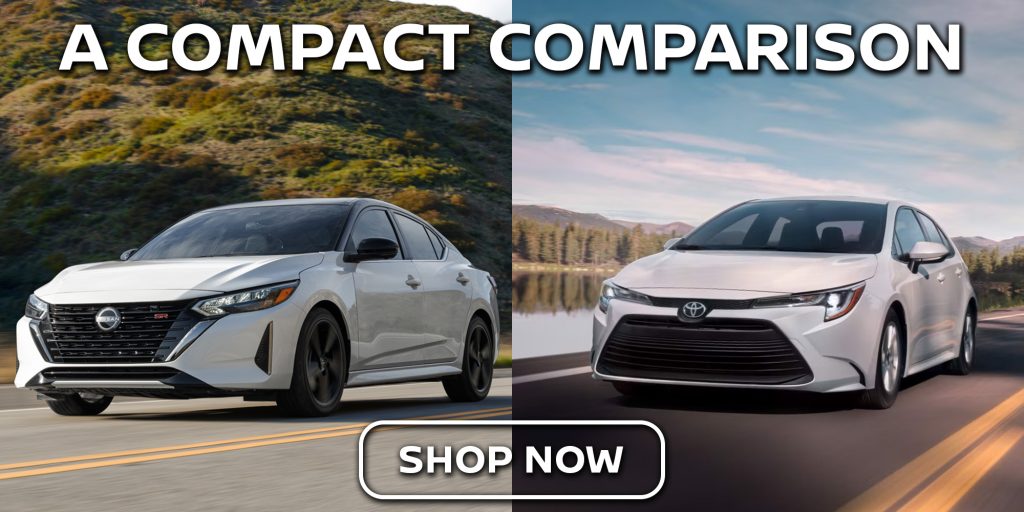
Sedan Showdown: Nissan Sentra vs. Toyota Corolla
In the compact sedan arena, two contenders consistently steal the spotlight: the Nissan Sentra vs. the Toyota Corolla. This article is a direct comparison between them to see which car is the better choice for consumers. Both are celebrated for their reliability, smart engineering, and are an attractive choice for budget-conscious buyers. But when it’s time to crown a true winner, the Nissan Sentra edges ahead with bold styling, premium comfort, and thoughtful technology. Explore how the Nissan Sentra vs. Toyota Corolla contrast one another, and you’ll see why Nissan reigns supreme. Read this blog from Crossroads Nissan of Wake Forest for more information.
Dominate Your Daily Commute
Compact sedans are far from outdated, they’re the perfect solution for shoppers looking for practical and affordable vehicles, including commuters, students, young professionals, and small families. Both the Nissan Sentra vs. Toyota Corolla shine in the value department, offering everything you could need in a daily driver. Continue reading to discover the Nissan Sentra vs. Toyota Corolla’s reliability. You’ll also see how Nissan’s modern upgrades and refined finish give it a leg up in style, space, and overall satisfaction.
Style & Substance: Where Sophistication Meets Sport
It’s time to review some of the standout Nissan Sentra vs. Toyota Corolla specs.
The Nissan Sentra turns heads with its bold, low-slung stance, aggressive black grille, and sporty performance powered by a 149-horsepower 2.0L engine. Its responsive handling and impressive fuel economy up to 40 MPG on the highway make every drive both thrilling and efficient.* Inside, it delivers comfort and versatility with spacious seating, Zero Gravity front seats, and up to 14.3 cu. ft. of trunk space, plus fold-down rear seats for added flexibility. A 7-in. touchscreen, smartphone integration, and available premium audio keep you connected and entertained wherever the road takes you.
While the Nissan Sentra’s competitor offers a strong comparison, the Toyota barely surpasses it. From a 169-horsepower 2.0L engine to a slightly higher EPA-estimated 41 MPG highway rating, the Toyota Corolla makes a bold statement. However, the Nissan Sentra still stands out for drivers who value a road-ready design for everyday practicality. It also offers a more generous trunk space, which surpasses the Toyota Corolla’s 13 cu. ft., and its sleek styling to give it a sportier, more eye-catching presence on the road. Even with a smaller touchscreen, the Nissan Sentra balances technology, comfort, and performance in a way that’s hard to overlook.
A Class Above the Rest
Digging deeper into the Nissan Sentra vs. Toyota Corolla, you’ll find more features that speak to you as the driver. Looking into the Nissan Sentra, its 2.0L-powertrain features a smooth Xtronic CVT® transmission and multi-link rear suspension, to enhance agility and control, making everyday driving feel engaging. The Toyota Corolla offers smooth acceleration, too, but it pales in comparison to Nissan’s streamlined technology.
Interior space is where the Nissan Sentra truly stands out in the Nissan Sentra vs. Toyota Corolla comparison. Offering a roomy and comfortable experience that’s hard to beat in the compact sedan class. With an impressive 96.1 cu. ft. of passenger volume, outshining the Toyota Corolla’s 88.6 cu.ft., the Nissan Sentra gives everyone on board extra breathing room, especially in the rear seats where legroom, shoulder space, and headroom make a noticeable difference.
Both Nissan Sentra vs. Toyota Corolla offer supportive front seats, but comfort is further enhanced by Nissan’s Zero Gravity Seats, designed for long-haul support. The Nissan Sentra has options for heated and power-adjustable front seats, giving it an edge in comfort. The Toyota Corolla may check the basics, but Nissan delivers true sedan comfort for all passengers.
Safety First: Standard Confidence on Every Trim
When it comes to safety features, the Nissan Sentra vs. Toyota Corolla don’t compromise when it comes to you. Every Nissan Sentra comes standard with Nissan Safety Shield® 360, a comprehensive suite of advanced safety features designed to give you greater peace of mind behind the wheel. From Automatic Emergency Braking with Pedestrian Detection, Blind Spot Warning, and Rear Cross Traffic Alert to Lane Departure Warning, Rear Automatic Braking, and more, the Nissan Sentra is equipped to help you navigate daily driving with added confidence. These intelligent safety technologies work together to keep you aware of your surroundings and ready for the unexpected, because your safety should never be optional. Optional upgrades include Intelligent Cruise Control and a 360° Surround View Camera, often reserved for luxury vehicles. The Toyota Corolla includes many of these, but only at higher trim levels, while the Nissan Sentra makes safety standard.
Nissan Sentra vs. Toyota Corolla? Pick What’s Right for You
In the Nissan Sentra vs. Toyota Corolla matchup, a direct comparison of the two cars shows that the Nissan rises above with better interior space, upscale finishes, standard safety, and standout design. When buying either vehicle, it’s important to consider factors like trim levels, pricing, and long-term value. In some cases, such as prioritizing fuel efficiency or advanced safety, one model may be preferable over the other. The Nissan Sentra vs. Toyota Corolla are changing the game of compact sedans. Explore the full lineup of Nissan Sentra models at Crossroads Nissan of Wake Forest and take a test drive from our dealership in Wake Forest, NC, today.
*EPA Fuel Economy Estimates. Actual mileage may vary with driving conditions—use for comparison only.
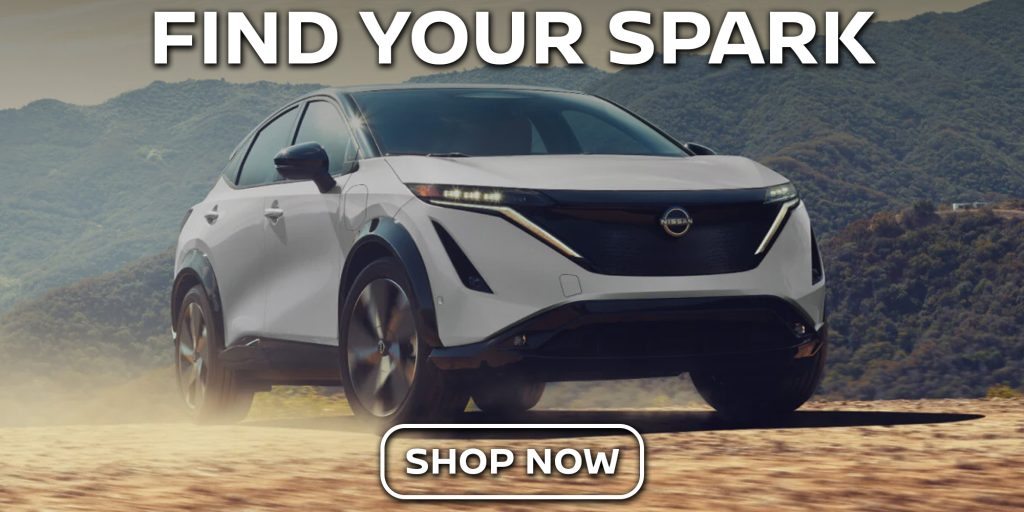
Pick Your Electric SUV
The electric SUV market is growing fast, driven by the rise of sustainable travel, and two names stand out in the crowd: the Nissan ARIYA and the Tesla Model Y vehicles. Both offer all-electric power, modern design, and cutting-edge technology. But when it comes to everyday performance, comfort, and value, one SUV delivers a better all-around experience. In this Nissan ARIYA vs. Tesla Model Y comparison, we’ll explore size, specs, and standout features to help you choose the EV that fits your lifestyle. Spoiler: the Nissan ARIYA proves that luxury and innovation don’t have to come with a sky-high price tag. Ready to experience it in person? Visit Crossroads Nissan of Wake Forest and get behind the wheel of the Nissan ARIYA today.
Stylish and Spacious
One of the first questions many shoppers ask is, “Which is bigger, the Nissan ARIYA or Tesla Model Y?” In terms of dimensions, the two electric SUVs are similar, but the Nissan ARIYA vs. Tesla Model Y size comparison shows that the Nissan ARIYA offers a more refined, premium-feeling cabin. With up to 59.7 cu.ft. of cargo space and a flat, open floor design, the Nissan ARIYA makes every inch count. The Tesla Model Y offers slightly more maximum cargo room on paper at 76 cu.ft., but this includes the front trunk and underfloor compartments. When comparing cargo capacity behind the rear seats, the Nissan ARIYA provides ample space for everyday items, while the Tesla Model Y offers a bit more, but the difference is less pronounced than the total figures suggest.
Inside, the Nissan ARIYA feels more thoughtfully crafted, featuring a luxurious interior with premium materials throughout the cabin. The Haptic Touch Controls, Power-sliding Center Console, and Zero Gravity front seats make for a serene, open interior. The rear seats are designed for comfort, and the flexible second row configurations allow for easy adjustment between passenger and cargo needs. By comparison, the Tesla Model Y’s cabin emphasizes minimalism, which some may find overly sparse and lacking in tactile function. If comfort and elegant design matter to you, the Nissan ARIYA delivers a more premium experience throughout.
Power and Range Tailored To You
Looking at the Nissan ARIYA vs. Model Y specs, Nissan gives you choices—without making you overspend. The Nissan ARIYA is available in multiple models and trim levels, with various battery sizes and drivetrain configurations, including front-wheel drive and a dual motor configuration for e-4ORCE® all-wheel drive. Horsepower ranges from 214 to 389, with the top performance model delivering impressive performance for enthusiasts. The base model Nissan ARIYA offers solid range and features, while higher trim levels provide additional capabilities. Depending on the model, the Nissan ARIYA offers up to 289 miles of range on a single charge.
The Tesla Model Y lineup includes several models and trim levels, such as the base model, the Tesla Model Y Long Range, and the Tesla Model Y Performance variant. Both the Long Range and Performance models feature a dual motor configuration for all-wheel drive. The Tesla Model Y Long Range stands out with an EPA-estimated 357 miles of range on a single charge, making it a leader in the segment for long-distance driving. The Tesla Model Y Performance offers impressive performance with superior acceleration and horsepower compared to other trims.
When comparing the base model specifications, the Nissan ARIYA’s entry-level trim provides competitive range and features, while the Tesla Model Y base model focuses on efficiency and value. Both vehicles offer solid range options, but the Tesla Model Y Long Range provides a slightly higher maximum distance per single charge compared to the Nissan ARIYA.
In the Nissan ARIYA vs. Tesla Model Y specs breakdown, both SUVs offer rapid acceleration and highway confidence. But the Nissan ARIYA’s e-4ORCE® AWD system goes beyond traditional dual motor configurations by actively adjusting torque between all four wheels, improving stability and ride comfort in every condition—something the Tesla Model Y simply can’t replicate.
Technology That Works for You
The Nissan ARIYA brings advanced tech to the forefront in a way that feels intuitive and welcoming. The dual 12.3-inch displays for infotainment and driver information are seamlessly integrated and easy to navigate. The Nissan ARIYA is equipped with both Android Auto™ and Apple CarPlay®, providing comprehensive smartphone integration as standard. It also features a head-up display, giving drivers important information directly in their line of sight for added convenience and safety. Physical controls for climate and audio functions are present, making adjustments straightforward and less distracting compared to full touchscreen reliance. Comfort features include a heated steering wheel, enhancing the driving experience in colder weather. For safety, the Nissan ARIYA is equipped with advanced features such as Automatic Emergency Braking, contributing to its strong safety credentials. Features like ProPILOT Assist 2.0, available on higher trims, offer hands-off highway driving and guided lane changes—technology that rivals Tesla’s Autopilot and even its pricey Full Self-Driving package.
The Tesla Model Y uses a single center-mounted screen for nearly every function, from climate control to speed monitoring. While futuristic, this can feel distracting or inconvenient, especially while driving due to the lack of physical controls. In the Nissan ARIYA vs. Tesla Model Y technology comparison, the Nissan ARIYA offers a smoother blend of digital innovation and driver-centric control.
Nissan ARIYA Balances Innovation With Value
Tesla helped define what an electric vehicle SUV could be, but Nissan has raised the bar for what it should be. In the Nissan ARIYA vs. Tesla Model Y match-up, the Nissan ARIYA is competitively priced, with a starting MSRP that makes it an attractive option. The Nissan ARIYA offers comparable range, more drivetrain flexibility, and a luxury-level interior—all with Nissan’s reputation for dependability and accessible pricing. The Tesla Model Y’s optional features, such as the optional third row for increased passenger capacity, and Tesla’s Premium Audio system, provide added versatility for buyers seeking customization.
When it comes to charging, Tesla’s Supercharger network is a major advantage, offering fast and convenient charging through Tesla’s Superchargers and a robust charging network for long-distance travel. However, Nissan ARIYA owners benefit from access to a wide charging network, including public fast-charging stations, making daily driving and road trips convenient. The broader charging network available to Nissan ARIYA owners ensures flexibility and ease of use, even if Tesla’s Supercharger network remains a benchmark for speed and coverage.
Safety is a key consideration in this segment. The Nissan ARIYA is equipped with advanced safety features, contributing to strong safety ratings and overall safety performance. Tesla’s Model Y also boasts advanced safety features and driver-assistance systems, with both vehicles performing well in safety evaluations from organizations like NHTSA and IIHS.
Find Your Electric SUV Today
For drivers comparing the Nissan ARIYA vs. Tesla Model Y and wondering which electric vehicle will suit their daily life, commute, and long-term needs, the Nissan ARIYA delivers the smarter, more complete package. Both vehicles are well positioned in the electric vehicle market. To truly understand the differences and experience the performance, safety, and features firsthand, schedule a test drive at Crossroads Nissan of Wake Forest today.

