Crossroads Nissan Wake Forest

Blog

All Wake Forest Nissan Dealer
in Wake Forest Nissan Dealer

Which Used Nissan Models Have the Best Resale Value?

Do Nissans Hold Their Value? When it comes to finding a new car that maintains its worth, understanding Nissan resale value is crucial, especially for car buyers shopping at Crossroads Nissan of Wake Forest. Known for building reliable cars with excellent long-term value, Nissan vehicles stand out in the used market for their durability, affordability, and value retention. Whether you’re trading in or upgrading to your next car, models like the Nissan Versa, Nissan Altima, and Nissan Frontier make a smart investment that holds up over time. From fuel-efficient sedans to capable trucks, Nissan's options are designed to keep a strong trade-in value thanks to dependable performance, great safety ratings, and affordable ownership costs. That’s why shoppers across North America turn to Nissan for new vehicle purchases that promise a better residual value and lower depreciation costs. Ready for your test drive? Visit us today in Wake Forest, NC! Why Resale Value Matters for Nissan Car Buyers Nissan resale value plays a big role in smart purchase decisions. Drivers in Wake Forest often choose Nissan for its proven combination of reliability, build quality, and market demand, qualities that protect your car’s value over time. Unlike some luxury cars with a steep depreciation rate, Nissan models such as the Nissan Rogue, Nissan Sentra, and Nissan Pathfinder hold steady in the car market, offering peace of mind and strong market value for years after the initial purchase. Key Factors That Impact Nissan Value Retention Several key factors affect how your Nissan’s resale value keeps over time. Vehicle condition plays a major role, which is why keeping up with oil changes, tire rotations, and regular maintenance schedules at Crossroads Nissan of Wake Forest helps maintain your car’s resale value. Models with complete service records and in good condition tend to command higher prices in both the trade-in value and used car prices markets. Ownership costs and fuel economy are also major contributors to better Nissan resale value. Affordable car dealerships like Crossroads Nissan of Wake Forest help customers find models such as the Nissan Murano, Nissan Kicks, and Nissan LEAF, all praised for low depreciation costs and practical price points. Top Nissan Models with the Best Resale Value Nissan Rogue: Compact SUV with Strong Market Demand The Nissan Rogue continues to be a top pick for car buyers looking for a compact SUV that delivers both comfort and long-term value. With excellent safety ratings, modern infotainment systems, and impressive fuel economy, it’s no surprise the Nissan Rogue’s resale value tends to retain itself in the used market. Families and commuters alike appreciate its balance of performance and practicality, qualities that help it stay in high market demand. Nissan Frontier & Nissan Titan: Durable Truck Choices For shoppers who want a dependable truck, the resale value of the Nissan Frontier and Nissan Titan is standout. Their strong build quality and rugged driving experience make them leaders in value retention. Whether hauling, towing, or tackling tough jobs, these trucks offer residual value that stays competitive in the used car market. The Nissan Titan XD especially appeals to buyers needing four wheel drive capability and superior trade-in value, proving that Nissan’s engineering holds up over the years with minimal wear and tear. Nissan Z and Nissan LEAF: Performance and Innovation The Nissan Z delivers on speed and long-term value. These performance icons attract enthusiasts who value build quality and a unique driving experience, resulting in impressive residual value. On the innovation front, the Nissan LEAF brings modern EV design and cutting-edge tech to Wake Forest shoppers. As electric car brands gain traction in North America, the Nissan LEAF is an exciting option with solid value retention and lower ownership costs. How to Keep Your Car’s Resale Value High Maximizing your Nissan’s resale value starts with consistent maintenance. Following proper maintenance schedules, keeping your vehicle condition in top shape, and addressing wear and tear early can make all the difference. Maintaining detailed service records for models like the Nissan Altima, Nissan Pathfinder, or Nissan Frontier reassures future buyers and boosts your trade-in value. When buying your next car, choose models with strong safety ratings and sought-after features like advanced infotainment systems. High-demand trims often hold their market value longer, especially for pre-owned vehicles like the Nissan Kicks or Nissan Murano. Timing also matters, as selling when used car prices are high or during peak market demand seasons can significantly improve your Nissan’s resale value. Shop Smart at Crossroads Nissan of Wake Forest When you’re ready to take advantage of used Nissan models with the best resale value, visit Crossroads Nissan of Wake Forest. Their knowledgeable team can help you evaluate your Nissan’s resale value, find certified pre-owned options, or assist with your trade-in value. Whether you’re shopping for a new vehicle or a certified pre-owned vehicle, Crossroads Nissan of Wake Forest makes it simple to find the best value for your lifestyle and budget. From the Nissan Rogue to the Nissan Titan, each model delivers reliability, strong value retention, and driving enjoyment, ensuring your next purchase is a smart one. SHOP NOW

Read More

Most Affordable Compact SUVs Out Now

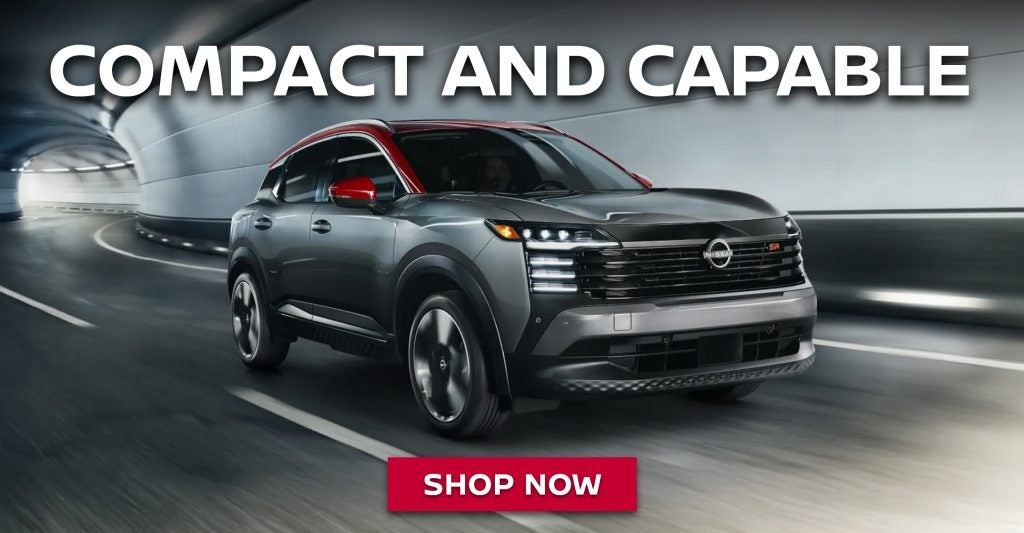
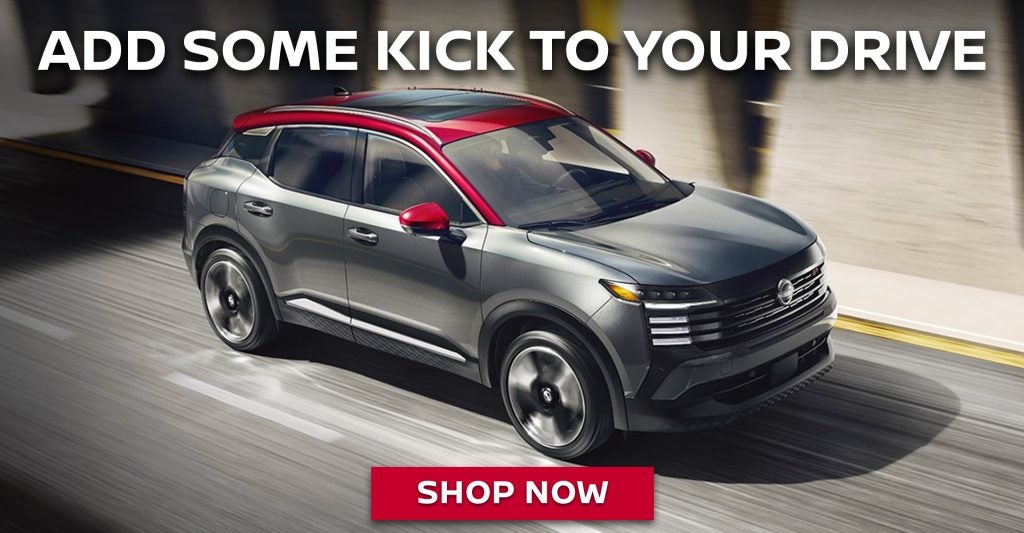
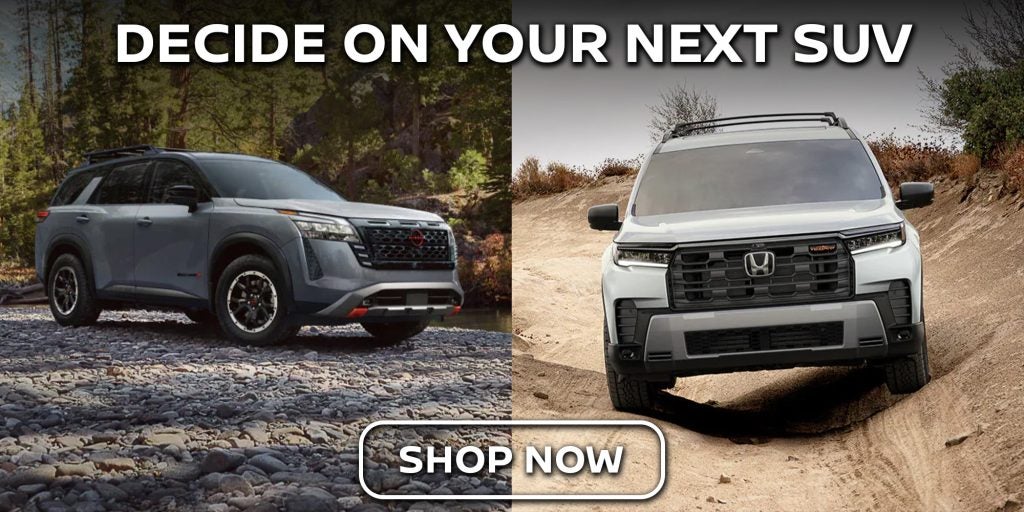
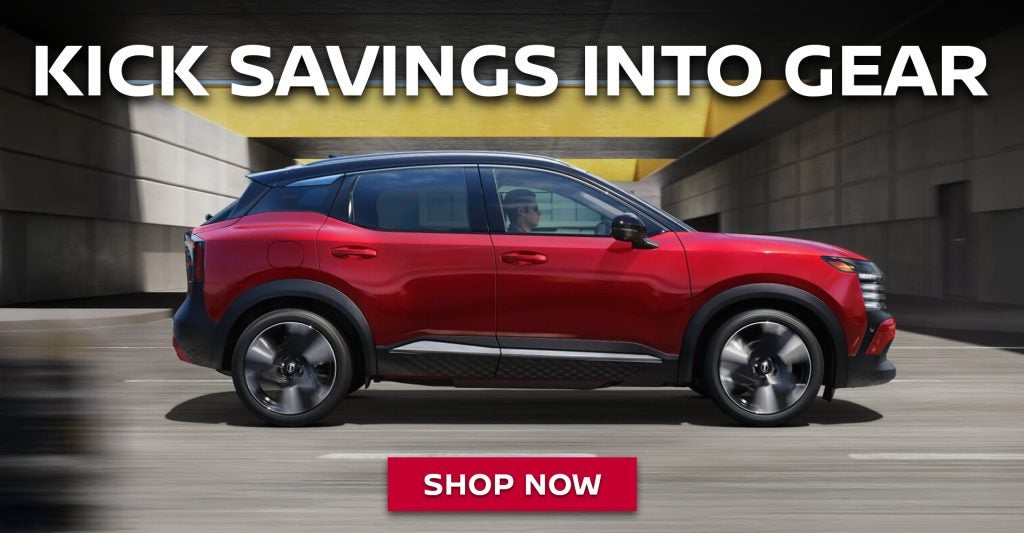
Top Nissan Picks for Every Budget Crossroads Nissan of Wake Forest is Wake Forest, NC's, local destination for drivers seeking affordable compact SUVs that deliver comfort, roomy interior space, versatility, and everyday value. As more shoppers seek current model year vehicles that balance fuel efficiency, interior comfort, and a confident driving experience, Nissan’s compact lineup stands out for offering real-world practicality without the elevated costs associated with full-size SUVs or many midsize SUVs. For drivers upgrading from a small car or growing small families looking for the right blend of space and affordability, new Nissan Kicks and Nissan Rogues remain excellent choices in the market for a modern, affordable SUV. Experience a test drive of these most affordable compact SUVs today in Wake Forest, NC! Why Compact SUVs Are a Smart Choice Nissan’s affordable compact SUVs represent the core of what many buyers search for when comparing the best Compact SUVs available today. With dependable engine options, user-friendly technology like Android Auto™ and Apple CarPlay®, and interior space designed to maximize cargo capacity and passenger comfort, these models are engineered to complement everyday life and long road trips. Even features like automatic High Beam Assist, supportive seating, intuitive touchscreen controls, and flexible cargo room help elevate the ownership experience without increasing the price tag. For shoppers comparing vehicles across different price range brackets, both the Nissan Kicks and Nissan Rogue offer consistent good value rooted in efficiency, practicality, and well-rounded design. Compact SUVs offer the perfect middle ground for drivers who want a versatile vehicle without the expense of a larger SUV for road trips and everyday commutes. At Crossroads Nissan of Wake Forest, the Nissan Kicks and Nissan Rogue shine because they offer excellent interior space, flexible seating, and strong fuel efficiency that helps keep long-term ownership affordable. Their generous cargo volume and fold-flat rear seats make daily errands and the occasional road trip comfortable and straightforward, and their elevated driving positions provide visibility that smaller cars cannot match. These strengths make them appealing choices when shoppers compare options and price tags across the best crossover SUV categories. Safety also plays a vital role for buyers choosing affordable compact SUVs. Nissan offers intuitive advanced safety features, including Automatic Emergency Braking, Blind Spot Warning, Blind Spot Monitoring, Rear Cross-Traffic Alert, Lane Departure Warning, and driver assistance systems. On the Nissan Rogue, when properly equipped, Intelligent Lane Intervention helps maintain steadier lane positioning during longer highway drives. These features help deliver a more confident overall driving experience, especially for families or commuters who regularly navigate heavy traffic. When paired with smooth handling and stable driving dynamics, Nissan’s compact SUVs deliver usability that aligns well with what shoppers expect from a dependable family SUV. Inside both affordable compact SUV models, technology such as Android Auto™ and Apple CarPlay®, along with a crisp touchscreen interface, helps improve convenience. Drivers can rely on seamless smartphone integration for navigation, music, calls, and messaging, and many trims offer a high-quality sound system that enriches the cabin atmosphere. With approachable pricing, realistic base price options, and multiple base model configurations available, Nissan’s compact SUVs offer high accessibility across different budgets. Nissan Kicks: Efficient, Stylish, and Highly Affordable The Nissan Kicks has earned its reputation as one of the best affordable compact SUVs for value-minded shoppers, consistently recognized as one of the most affordable small SUVs on the market today. Ideal for new drivers, city dwellers, and anyone seeking an affordable car with modern features, the Nissan Kicks continues to excel in efficiency. Offering strong fuel efficiency, smooth acceleration with its automatic transmission, and lightweight steering, the Nissan Kicks makes daily driving easy. Inside, the Nissan Kicks feels modern and thoughtfully organized. Its bright touchscreen display, seamless Android Auto™ and Apple CarPlay® integration, and user-friendly layout make technology approachable for drivers of all experience levels. Although compact, the Nissan Kicks delivers impressive cargo capacity, practical cargo room, and sufficient interior space to comfortably accommodate errand runs or quick weekend escapes. For small families or single drivers seeking mobility without added costs, the Nissan Kicks is an ideal solution within the world of affordable compact SUVs. Practicality remains a central strength for this model, especially given its approachable base price, wide price range flexibility, and strong price point within the segment. These features combine to give the Nissan Kicks excellent overall value, especially for those wanting a simple, efficient, reliable, and affordable SUV. Nissan Rogue: Comfortable, Capable, and Perfect for Families The Nissan Rogue remains one of the best SUVs in the compact category, thanks to its elevated comfort, spacious interior, and refined ride quality. Designed to accommodate small families, commuters, and frequent travelers, the Nissan Rogue provides significantly more interior space and cargo volume than many competing compact models. This spaciousness enables the Nissan Rogue to function as an excellent family SUV without requiring drivers to upgrade to midsize or full-size SUVs. The Nissan Rogue’s interior focuses on comfort and connectivity. The intuitive touchscreen, available premium sound system, and seamless Android Auto™ and Apple CarPlay® allow drivers and passengers to stay connected with ease. Select trims include Nissan’s ProPILOT Assist suite, which adds Lane Keeping Assist, Adaptive Cruise Control, and upgraded driver assistance features that help reduce fatigue on longer highway journeys. These systems, combined with blind-spot monitoring, automatic emergency braking, and cross-traffic alert, create a consistently stable and confident driving experience. The Nissan Rogue is also renowned for its enduring appeal in the pre-owned market, boasting strong resale value and long-term dependability. With solid driving dynamics, comfortable seating, and available engine options that balance performance and fuel efficiency, the Nissan Rogue remains one of Nissan’s most reliable options in the world of affordable compact SUVs. Its accessible price range, competitive price tag, and multiple trim levels, including a well-equipped base model, allow shoppers to find new and used cars in configurations that fit their needs without overspending. How Nissan Compact SUVs Compare to Larger Segments Consumers comparing compact SUVs with offerings across the best SUVs category often find Nissan’s models to be more manageable, efficient, and cost-effective than full-size SUVs or many midsize SUVs. While larger vehicles offer more passenger capacity, they typically come with higher ownership costs, reduced fuel efficiency, and added difficulty in congested city conditions. The Nissan Kicks and Nissan Rogue, by contrast, offer excellent utility without the challenges typically associated with larger SUVs. Compact Nissan SUVs also deliver strong value for drivers who want flexibility without sacrificing convenience. With contemporary interiors, thoughtful standard features, and dependable safety technology, the Nissan Kicks and Nissan Rogue each offer modern appeal at a more attainable price—a key factor for buyers shopping in the affordable compact SUV segment. Key Features to Consider When Shopping for Nissan Compact SUVs When exploring options at Crossroads Nissan of Wake Forest, buyers should consider how each model aligns with their personal routines, driving habits, and preferences for space. The Nissan Kicks excels for those who prioritize low operating costs, compact maneuverability, and top-tier fuel efficiency. The Nissan Rogue is better suited for those who want more interior space, smoother ride quality, and access to enhanced driver assistance technologies such as Lane Keeping Assist and Adaptive Cruise Control, depending on trim. With realistic pricing, numerous configuration options, and the capability to serve as either a daily commuter or flexible family SUV, the Nissan Kicks and Nissan Rogue both deliver excellent value within the wide-open category of affordable compact SUVs. Find the Right Nissan Compact SUV at Crossroads Nissan of Wake Forest Whether you're exploring the agile versatility of the Nissan Kicks or the comfortable spaciousness of the Nissan Rogue, Crossroads Nissan of Wake Forest offers a frictionless shopping experience designed to match drivers with the ideal model. By experiencing these vehicles in person, customers can evaluate seating comfort, ride quality, visibility, cabin layout, cargo room, and overall ease of use. With a wide selection of new arrivals and carefully inspected used SUVs, Crossroads Nissan of Wake Forest helps drivers identify the right fit within the competitive world of affordable compact SUVs. Visit us today in Wake Forest, NC! SHOP NOW
Nissan Kicks vs. Hyundai Kona: Which Compact SUV Is More Affordable?

A Balanced, Real-World Comparison for Wake Forest Drivers Choosing the right compact SUV is a big deal for drivers throughout Wake Forest, NC, and Crossroads Nissan of Wake Forest is often where the search begins. Two of the most popular options in this segment are the Nissan Kicks and the Hyundai Kona, and both bring plenty of personality, practicality, and everyday value to the table. But when you dig deep into what really matters for city driving, fuel efficiency, cargo room, and long-term peace of mind, the scales tip in a pretty clear direction. This is where the Nissan Kicks vs. Hyundai Kona comparison becomes especially meaningful, particularly for local buyers prioritizing versatility, affordability, and smart daily comfort. At Crossroads Nissan of Wake Forest, shoppers often want a compact SUV that is maneuverable in tight neighborhoods, easy to park, efficient in traffic, and comfortable enough for commutes across the region. The Nissan Kicks consistently checks those boxes. While the Hyundai Kona certainly has its own strengths, especially for shoppers who want higher horsepower or an available AWD configuration, the Nissan Kicks offers better overall value without forcing you into expensive trim levels or premium add-on pricing. This balance of cost, space, and standard safety makes the Nissan Kicks vs. Hyundai Kona discussion especially compelling for Wake Forest drivers who want smart choices without sacrifices. Comparing Trim Levels: Nissan Kicks vs. Hyundai Kona Affordability For shoppers comparing Nissan Kicks vs. Hyundai Kona, the Nissan Kicks has an immediate advantage thanks to its lower starting price and feature-rich trim levels. The lineup, featuring the Nissan Kicks SV and the sporty Nissan Kicks SR, offers accessible pricing without compromising on conveniences such as keyless entry, modern technology, and intuitive climate control. The Hyundai Kona also offers competitive pricing at the entry level, and the Hyundai Kona comparison is especially appealing for drivers who want a broader range of trim levels, premium materials, or the option to add more luxury-focused equipment. However, those additions can raise the total price quickly. Many of the features that come standard or are available affordably on the Nissan Kicks, especially safety tools, often require a higher Hyundai Kona trim. The result is a natural divide: shoppers who value practicality and long-term affordability often gravitate toward the Nissan Kicks, while those seeking high-end amenities in upper trims may find more variety in the Hyundai Kona. Fuel Efficiency, Engine Performance & Driving Experience Fuel economy is a standout category in every Nissan Kicks vs. Hyundai Kona comparison. The Nissan Kicks is built around an efficient 4-cylinder engine paired with a smooth, continuously variable transmission, resulting in excellent city MPG performance for daily commuting. Its lightweight curb weight and predictable front-wheel drive traction make it especially well-suited for navigating Wake Forest's tight streets, hills, and winter traffic flow. The Hyundai Kona offers more engine options, including available turbo engine choices that deliver noticeably stronger acceleration. This gives the Hyundai Kona an advantage for drivers seeking a more spirited driving experience, though the trade-off is reduced fuel efficiency and higher long-term fuel costs. The Hyundai Kona’s available AWD is also ideal for drivers who prioritize maximum traction. Both vehicles handle well at low speeds and in urban scenarios, but the Nissan Kicks takes the lead for pure efficiency, predictable handling, and long-term cost savings, as its fuel-efficient design consistently appeals to Crossroads Nissan of Wake Forest shoppers. Safety Features & Driver Assistance Safety remains one of the strongest arguments in favor of the Nissan Kicks in the Nissan Kicks vs. Hyundai Kona conversation. Every Nissan Kicks comes standard with Nissan Safety Shield®, a suite that includes key features such as Automatic Emergency Braking with Pedestrian Detection, Blind Spot Warning, Lane Departure Warning, Rear Cross-Traffic Alert, Traction Control, and Stability Control. These technologies support confident driving across all types of driving conditions, from crowded parking lots to busy interstates. Higher trims like the Nissan Kicks SR offer upgrades such as Adaptive Cruise Control, a premium sound system, and optional ProPILOT Assist, which enhances driver comfort on longer highway trips. The Hyundai Kona also offers impressive driver-assistance features, but many of its most advanced systems appear on upper trim levels. This means that the Hyundai Kona still delivers excellent safety performance, but shoppers must climb the trim ladder to match the Nissan Kicks’ standard-level equipment. In a fair comparison of Nissan Kicks vs. Hyundai Kona safety, both SUVs perform well, but the difference lies in when those features become available in the lineup. Interior Space, Comfort & Cargo Interior practicality plays a major role in determining which compact SUV is the better everyday companion. When comparing Nissan Kicks vs. Hyundai Kona interior space, the Nissan Kicks earns praise for its spacious interior, generous passenger volume, and comfortable front seats and foldable 60/40 rear seats. The cabin layout feels open, and the materials and seating design deliver long-lasting comfort for grocery runs, commutes, and weekend trips. Cargo usability is another strength for the Nissan Kicks. With its impressive cargo space, strong cargo capacity, and flexible cargo volume, the Nissan Kicks provides drivers with ample usable storage space. Whether you’re loading bags for a day trip or filling the cargo area after a stop at the farmer’s market, the Nissan Kicks stays highly accommodating. The Hyundai Kona boasts an appealing cabin design with a sporty feel, and its materials and ergonomics lend it a slightly more premium vibe, particularly in higher trims. However, the Hyundai Kona’s trunk space and rear-seat legroom are more limited compared to the Nissan Kicks. It remains comfortable and well-built, but the Nissan Kicks offers more outright practicality. Overall, in a balanced Nissan Kicks vs. Hyundai Kona interior comparison, the Nissan Kicks is the better choice for space-conscious shoppers, while the Hyundai Kona appeals to those who want a slightly more upscale cabin feel. Technology, Comfort Features & Everyday Convenience Technology plays a major role for modern shoppers comparing the Nissan Kicks vs. Hyundai Kona. The Nissan Kicks offers user-friendly interfaces, intuitive smartphone integration, and a thoughtful selection of standard features. Available upgrades, such as a heated steering wheel, a Bose Personal Plus Audio System, and additional convenience features, on the Nissan Kicks SR make the cabin feel refined without requiring a premium trim level. The Hyundai Kona offers its own set of impressive tech features, particularly in upper trims, including enhancements such as upgraded screens, more powerful audio options, and premium comfort amenities. For shoppers willing to explore higher Hyundai Kona trims, the Hyundai Kona comparison becomes very appealing thanks to extra convenience options. Both SUVs deliver great day-to-day usability, but the Nissan Kicks stands out by making key technology widely accessible at lower price points, while the Hyundai Kona rewards drivers looking for upscale equipment and don’t mind spending more to get it. Ownership Experience at Crossroads Nissan of Wake Forest Many Wake Forest drivers evaluating Nissan Kicks vs. Hyundai Kona also consider long-term ownership costs and dealership support. Crossroads Nissan of Wake Forest offers straightforward financing through our Finance Department, and helpful tools like an online Finance Application. Routine care, from tire rotations to oil changes, is handled by the experienced team in the Service Department, ensuring the Nissan Kicks remains reliable and efficient. Nissan’s strong powertrain warranty also provides long-term assurance, making ownership easy and predictable. Shoppers looking for an affordable, well-rounded compact SUV often find that the Nissan Kicks’ low maintenance costs and reliable automatic transmission further support its long-term value. Final Verdict: A Fair Look at Nissan Kicks and Hyundai Kona Both the Nissan Kicks and the Hyundai Kona have clear strengths, making the Nissan Kicks vs. Hyundai Kona comparison one of the most competitive matchups in the compact SUV segment. The Hyundai Kona will appeal to buyers who want more engine choices or optional available AWD for additional confidence. However, the Nissan Kicks holds a noticeable edge for Wake Forest shoppers who prioritize affordability, efficiency, interior room, and a long list of standard features right from the start. From its excellent fuel economy and smart cabin layout to its strong safety suite and user-friendly everyday comfort, the Nissan Kicks delivers impressive value without compromise. Both the Nissan Kicks and Hyundai Kona are solid choices in the SUV discussion, but for shoppers seeking maximum practicality, efficient fuel economy, and standout safety at a lower price, the Nissan Kicks remains the more compelling partner for everyday life. Visit us today in Wake Forest, NC! SHOP NOW

Most Affordable Trucks on a Budget

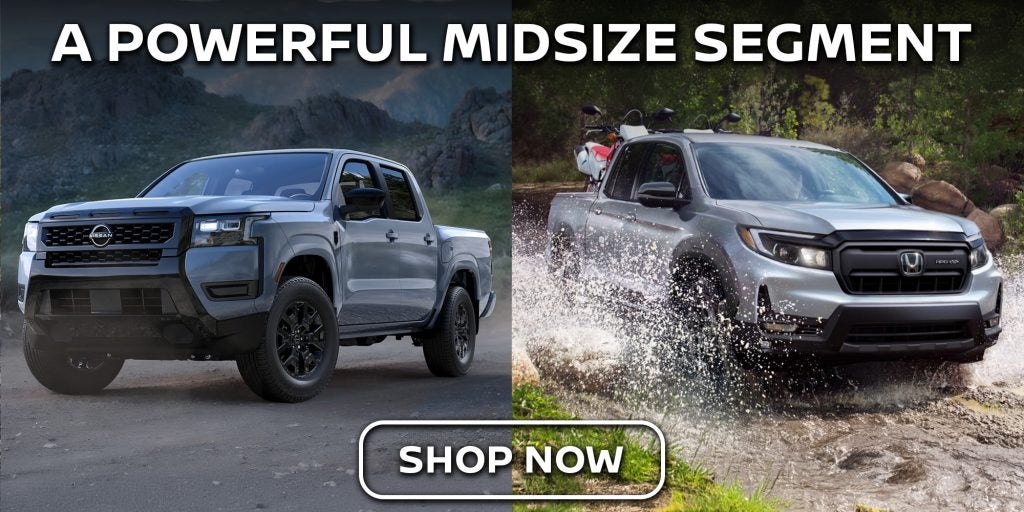
Exploring Nissan’s Affordable Options Across the United States, drivers continue searching for affordable trucks that balance strength, comfort, and long-term dependability. At Crossroads Nissan of Wake Forest, that balance is built into every good truck in the lineup. Nissan’s focus on practical engineering, smart pricing, updated technology, and strong reliability has made its trucks some of the most appealing options for budget-conscious shoppers who still want real capability in a comfortable price range. Whether you’re hauling equipment, commuting to work, or heading out on weekend adventures, Nissan trucks offer thoughtful design and accessible pricing without sacrificing durability or performance. Find your next affordable Nissan truck today at Crossroads Nissan of Wake Forest! Why Truck Buyers Choose Nissan for Long-Term Value In a competitive automotive industry where new models arrive each year and fuel costs fluctuate, Nissan continues to deliver affordable trucks that stand out among the best pickup trucks for affordability, capability, and confident ownership. The rugged Nissan Frontier anchors the lineup with proven midsize versatility. Modern truck shoppers want more than raw power; they want a truck that supports their life at a reasonable cost. Low ownership expenses, accessible monthly payments, and long-term reliability are major priorities. Nissan trucks consistently meet these needs with thoughtful engineering and competitive pricing across both new trucks and used trucks. Affordability also means giving buyers options. Nissan offers two body styles, the King Cab® and the Crew Cab, allowing shoppers to choose the configuration that best suits their lifestyle. The King Cab® offers compact rear seating and added storage flexibility for buyers who need a more utility-driven design. At the same time, the Crew Cab prioritizes passenger space with full-size rear seating, catering to both work crews and families. With each configuration paired to multiple higher trim level offerings and bed configuration choices, Nissan delivers versatility without complicating the buying process. Reliability remains one of the brand’s strongest advantages. Nissan’s affordable trucks maintain a well-deserved reputation for durability and strong resale value, providing confidence that your investment remains smart far beyond the first year of ownership. Combined with competitive fuel economy, manageable maintenance costs, and dependable engineering, Nissan gives today’s shoppers the confidence they expect in a true affordable pickup truck. Nissan Frontier: The Standout Midsize Truck for Strength and Value The Nissan Frontier has earned its place among the best affordable trucks for drivers who want capability without overwhelming size or cost. Positioned as an actual midsize truck, the Nissan Frontier blends rugged performance with an approachable base price, making it a favorite among first-time truck shoppers, small business owners, outdoor adventurers, and anyone who needs a reliable partner for everyday tasks. Nissan Frontier shoppers can choose between rear-wheel drive and four-wheel drive, ensuring capability matches the driver’s environment. The Nissan Frontier’s strong V6 engine provides meaningful towing capacity and dependable payload capacity, supporting everything from worksite equipment to recreational gear. Its chassis tuning, including appropriately engineered coil springs, contributes to a smoother, more comfortable ride than many competing midsize models. Inside, the Nissan Frontier blends practicality with modern refinement. Standard features like Apple CarPlay® and Android Auto™, as well as safety features like available Adaptive Cruise Control, enhance the overall driving experience. Meanwhile, durable materials support the demands of active lifestyles. The Nissan Frontier SV trim remains a standout choice for buyers seeking extra convenience and upgraded equipment without compromising affordability. Used Nissan Frontier models are extremely popular among value-conscious buyers. Many used vehicles in the Nissan Frontier lineup offer proven vehicle history records, attractive price drop opportunities, and more manageable monthly payments than many competing midsize trucks. Selecting an earlier model year Nissan Frontier, even if it's a manual transmission, appeals to drivers who enjoy a more engaging, hands-on driving style. Fuel Efficiency, Fuel Type, and Long-Term Ownership As fuel prices continue to vary across the country, truck buyers increasingly prioritize efficiency. Nissan’s focus on fine-tuned power delivery and efficient fuel type engineering helps keep long-term ownership costs manageable without compromising capability. Balanced powertrains, streamlined aerodynamics, and well-matched transmission gearing contribute to real-world fuel efficiency that supports both commuting and weekend hauling. Even in the pre-owned market, Nissan’s efficiency-focused engineering helps their affordable trucks maintain respectable long-term operating costs. Combined with dependable resale value, this gives drivers confidence knowing their investment remains strong even years into ownership. Your Local Nissan Truck Destination Drivers who want affordable trucks supported by transparent pricing, excellent selection, and knowledgeable guidance choose Crossroads Nissan of Wake Forest. Our dealership’s mix of new-vehicle inventory and high-quality used trucks makes it easy to compare different trims, configurations, exterior colors, and interior color choices, as well as equipment sets across various model year options. Whether someone needs a rugged partner for the jobsite, a reliable family vehicle, or a versatile daily driver, Nissan trucks deliver capability backed by durability and thoughtful engineering. The Nissan Frontier remains one of the most respected midsize choices on the market, thanks to its strong performance, attractive pricing, and proven reliability. Choosing the Right Nissan Truck for Your Lifestyle Finding the perfect affordable truck begins with getting behind the wheel for a test drive at Crossroads Nissan of Wake Forest. Experiencing acceleration, braking, cabin comfort, visibility, and responsiveness firsthand helps clarify which configuration is the best fit. Comparing cargo space, technology features, drivetrain choices, and overall comfort also ensures buyers select the best trucks that align with their day-to-day needs. Whether your ideal truck is a King Cab® Nissan Frontier built for utility or a Crew Cab model designed for comfort and space, Nissan’s lineup has options that uphold durability, value, and capability. With affordable pricing, confidence-inspiring reliability, and a dealership committed to customer satisfaction, Crossroads Nissan of Wake Forest makes it easy for every shopper to find the right affordable pickup truck built to go the distance. SHOP NOW

Nissan Versa vs. Toyota Corolla: Which Car Fits Your Budget?

Smart Choices For Everyday Driving: Nissan Versa vs. Toyota Corolla When shoppers compare the Nissan Versa vs. Toyota Corolla, they are really looking at two smart ways to approach daily life: one is a value-rich subcompact sedan designed to do more with less, and the other is a polished compact sedan with a little extra muscle. The Nissan Versa stands out for drivers who want a stylish commuter that feels easy to own, easy to park, and rewarding at the pump, whether that means weekday errands, campus runs, or a relaxed drive across town. The Toyota Corolla brings a more traditional small-sedan feel for drivers who want extra power for highway merging and longer stretches on the road. Still, the Nissan Versa makes a strong first impression because its blend of approachable pricing, thoughtful features, and standout fuel efficiency gives it real everyday appeal. Visit Crossroads Nissan of Wake Forest to explore how the Nissan Versa can fit your routine with a test drive. Finding the Right Fit for Your Drive The Nissan Versa appeals to drivers who want practicality without giving up style, especially first-time buyers, commuters, students, and small families who value simple ownership and confident city manners. Its size, useful interior space, and easy maneuverability make it a natural fit for crowded parking lots and quick urban trips, while its available comfort upgrades help it feel more refined than many expect from a small sedan. The Toyota Corolla may appeal to shoppers who want stronger horsepower, a more assertive feel on open roads, or who may also be considering the Toyota Corolla Hybrid for added electrified efficiency through a hybrid powertrain. Even so, the discussion of the Nissan Versa vs. Toyota Corolla affordability, the Nissan Versa provides a convenient entryway into the world of compact sedans. It also feels more purpose-built for realistic daily needs, proving that smart packaging, approachable controls, and strong reliability can matter just as much as outright output when your priority is stress-free ownership. Performance, Specs, and Trim Level Breakdown Looking at specs and trim levels between the Nissan Versa vs. Toyota Corolla, you’ll be able to find the one that best fits your needs. The Nissan Versa lineup includes the Nissan Versa S, Nissan Versa SV, and Nissan Versa SR, giving shoppers a clear path from value-focused essentials to more premium touches. The Nissan Versa uses a 1.6L 4-cylinder engine with 122 horsepower and 114 lb.-ft. of torque, and buyers can choose a manual transmission on the Nissan Versa S or a CVT for select trims, an advantage for drivers who still appreciate a more traditional feel. By comparison, the Toyota Corolla lineup includes the Toyota Corolla LE, Toyota Corolla SE, and Toyota Corolla XSE. Its larger engine delivers more output for shoppers who prioritize stronger acceleration and different driving dynamics. Toyota does have the edge in raw engine details, but the Nissan Versa answers with impressive EPA estimates of 32 city MPG and 40 highway MPG, while select Toyota Corolla gas models reach 32 MPG city and 41 MPG highway.* Even where this Nissan Versa vs. Toyota Corolla gas mileage comparison stretches slightly ahead on paper, the Nissan Versa counters with a lighter, more efficient mission that suits real-world commuting beautifully. For shoppers comparing available configurations, it is also worth noting that some Nissan Versa models are commonly referenced around 27 city MPG and 35 highway MPG in alternate drivetrain discussions, so reviewing the exact transmission and trim setup at the dealership is the best way to match performance expectations with your lifestyle. Technology and Connectivity Features Compared When stepping inside to compare the Nissan Versa vs. Toyota Corolla interiors, both sedans bring modern essentials. Each makes a compelling case with an easy-to-use infotainment system, standard Apple CarPlay® and Android Auto™ compatibility. The Nissan Versa offers an optional NissanConnect® display with NissanConnect® Services to meet all of your entertainment needs. That user-friendly layout helps the Nissan Versa feel immediately familiar for drivers who want fewer distractions and more convenience on the go. The Toyota Corolla does offer a larger standard touchscreen and a strong multimedia experience, so it deserves credit for a polished cabin interface, but between the Nissan Versa vs. Toyota Corolla, the Nissan Versa keeps pace where it matters most by delivering practical connectivity without overcomplicating the drive. In safety and driver confidence, the Nissan Versa also shines with Nissan Safety Shield® 360, which includes features like Blind Spot Warning, Rear Cross Traffic Alert, High Beam Assist, and available Intelligent Cruise Control. Shoppers comparing driver-assist content may also notice safety language such as Lane Departure Warning in the segment, and while both Nissan Versa vs. Toyota Corolla offer strong peace of mind, the Nissan Versa packages its key protections in a way that feels especially reassuring for busy daily use. As always, reviewing exact warranty coverage and feature availability at Crossroads Nissan of Wake Forest is the best way to confirm which setup best supports your priorities. Real-World Lifestyle Advantages For lifestyle needs when comparing the Nissan Versa vs. Toyota Corolla, the Nissan Versa feels especially well suited to the rhythm of everyday living. Its everyday driving comfort shows up in ways drivers really notice: a cabin with seating for five, solid seating capacity, and a useful cargo capacity of up to 15 cu.ft. that can better handle grocery runs, school bags, and weekend extras. With available heated seats, the Nissan Versa also adds a welcome touch during chilly mornings, while its compact footprint, approachable turning radius, and easy steering feel help drivers move confidently through downtown traffic and tight parking areas. The Toyota Corolla brings a more energetic personality with stronger output and available sportier presentation through select wheels and tires, which may appeal to drivers who want a sharper visual edge. Still, the Nissan Versa feels more intentionally tuned for daily flexibility, making it a standout for commuting, neighborhood errands, and practical family movement without asking drivers to pay for more car than they truly need. Final Thoughts and Your Next Step In the end, the Nissan Versa vs. Toyota Corolla each make a strong case in the small sedan segment, but they do so in different ways. The Toyota Corolla offers stronger output and a slightly higher highway efficiency figure in some gas trims, plus added appeal for shoppers curious about the Toyota Corolla Hybrid. The Nissan Versa, however, turns that comparison into a real advantage for value-minded drivers by focusing on what many people use most: smart packaging, excellent fuel efficiency, helpful comfort features, everyday-friendly technology, and confidence-building safety features in a stylish sedan that feels right-sized for modern life. For shoppers who want a practical sedan with personality and purpose, the Nissan Versa remains the more compelling pick in the Nissan Versa vs. Toyota Corolla comparison. Visit Crossroads Nissan of Wake Forest today to experience the Nissan Versa in person and take a test drive that brings the comparison to life. FAQs Does the Nissan Versa or Toyota Corolla have better value? When it comes to price point, the Nissan Versa offers one of the lowest starting MSRPs in its class while still including essential features. This makes it a strong value choice for those looking for a sedan with everything they need. Is the Nissan Versa good for commuting? Yes, its compact size, fuel efficiency, and smooth handling make it ideal for daily driving and city commutes. How much cargo space does the Nissan Versa and Toyota Corolla have? The Nissan Versa optimizes travel with up to 15 cu.ft. of trunk space, while the Toyota Corolla only has 13.1 cu.ft Which sedan is more fuel efficient: Nissan Versa or Toyota Corolla? Both models deliver impressive fuel economy, but the Nissan Versa stands out with up to an EPA-estimated 32 MPG city and 40 MPG highway, making it an excellent choice for budget-conscious drivers.* While the Toyota Corolla can reach up to 41 MPG highway, the Nissan Versa balances efficiency with a lower price point, helping drivers save more both at the pump and up front. Does the Nissan Versa have modern features? Yes, it offers features like Apple CarPlay®, Android Auto™, and driver-assistance tech, even at lower trim levels. SHOP NOW *Use for comparison only. For more information, visit www.fueleconomy.gov.

Most Affordable Electric Cars: EVs On A Budget

Nissan’s Budget-Friendly EV Lineup for Wake Forest, NC, Drivers Electric vehicles have entered a more practical phase where shoppers can now compare monthly costs, charging habits, and maintenance with less hype and more usable data. Within that shift, evaluating the most affordable Nissan options in the EV lineup becomes clearer, especially for buyers in Wake Forest, NC. For drivers researching a modern electric car, this guide from Crossroads Nissan of Wake Forest focuses on real-world usability rather than speculation. At the center of Nissan’s electrification strategy, models like the Nissan LEAF and Nissan ARIYA represent accessible entry points into the brand’s Nissan electric lineup. Visit Crossroads Nissan of Wake Forest to explore your options and experience these EVs firsthand. How We Defined “Affordable” for Nissan’s EV Lineup Affordability starts with more than a low starting MSRP, it’s about how the vehicle fits into your life over time. At Crossroads Nissan of Wake Forest, we define it through the full ownership picture, including purchase price, total cost of ownership, maintenance, insurance costs, and long-term usability. A truly budget-friendly battery-electric vehicle balances a practical range estimate with real-world EPA range, while also offering flexible charging options like home charging, level 1 charging, level 2 charging, and DC fast charging. Long-term durability also plays a major role, especially when considering factors like battery degradation and battery capacity loss. Ultimately, the most affordable EV is the one that meets your needs without requiring unnecessary upgrades. While a base trim may seem like the lowest-cost option, a mid-level trim with stronger standard features, infotainment, and driver-assistance features can often provide better long-term value and satisfaction. Selection Criteria for Budget Electric Cars To identify the best affordable electric cars, we focused on how each model performs in real-world use. Our evaluation prioritized range per dollar to measure overall value, along with charging convenience and charging speed to reflect how easily the vehicle fits into a daily routine. We also considered access to a reliable charging network, which is especially important for drivers who occasionally depend on public charging. Beyond daily usability, we looked at long-term ownership factors, including how the vehicle holds up after eight years and what drivers can expect in terms of tire wear, insurance costs, and electricity usage. Financial flexibility was another key factor, so we evaluated options like leasing, financing, resale value, and potential savings through available EV incentives.* Charging, Costs, and Real-World Ownership Charging your electric vehicle is central to affordability. By taking care of how you charge one, you’ll reap long-term savings. Level 1 charging: Works for low-mileage drivers using standard outlets Level 2 charging: Best for overnight home charging and daily commuters DC fast charging: Useful for travel, especially when planning longer trips Nissan EVs may use various types of charging connectors. Electricity costs vary, but understanding your electricity cost per kWh helps estimate the cost per mile, which is often lower than gasoline. Charging during peak charging hours can increase expenses, so timing matters. For drivers relying on public charging, station availability and pricing vary by charging network, making planning essential. Range and Everyday Usability Range is more than a number for the most affordable electric car. A quoted EPA range should be adjusted for: Weather Traffic Driving style Long-term battery degradation For example, the Nissan LEAF offers up to 303 miles of range, but real-world use depends on habits and charging access.** Features like regenerative braking and one-pedal driving improve efficiency and reduce wear, while systems like a heat pump help preserve range in colder climates. Comparing Nissan EV Options When comparing Nissan EV options, the decision often comes down to how each model aligns with your budget, driving habits, and feature expectations rather than just headline specs. The Nissan LEAF typically offers the lowest entry point with a more accessible starting MSRP, making it ideal for drivers focused on minimizing upfront costs and relying primarily on home charging for daily commuting. In contrast, a pre-owned Nissan ARIYA delivers more range, a more refined interior, and added comfort features, which can make it a better fit for households with mixed driving needs or longer trips. While the Nissan LEAF is best suited for predictable routines and shorter distances, a used Nissan ARIYA provides greater flexibility for drivers who anticipate a combination of commuting and regional travel. Ultimately, weighing factors like charging habits, total cost of ownership, and desired feature level will help determine which model offers the better overall value for your situation. Nissan LEAF: The Practical Commuter EV When it comes to the most affordable electric cars, the Nissan LEAF remains one of the best choices in the EV market. Known for its dependable battery life, exceptional value, and reliable kWh battery, the Nissan LEAF is a low-cost solution for modern drivers. With a competitive starting price and a flexible price range across trims, it’s a smart pick for those seeking the cheapest EV without sacrificing quality. The Nissan LEAF’s EPA-estimated range of up to 303 miles per single charge provides all the capability most drivers need. Standard infotainment features include Apple CarPlay® and Android Auto™, Automatic Emergency Braking, and Advanced Driver Assistance systems, offering confidence on every drive. The responsive steering wheel, well-padded rear seats, and ample cargo space enhance comfort and practicality, while its electric motor delivers strong acceleration with zero emissions. Drivers looking for the most affordable electric cars often discover that no one in the segment balances affordability and performance like Nissan. Its base model combines impressive driving range, reliable charging port design, and smooth handling for an unbeatable driving experience. Nissan ARIYA: A Pre-Owned Value Option While no longer part of the current new model year offerings, the Nissan ARIYA remains relevant in the used market. Offering front-wheel drive and available all-wheel drive configurations, it blends versatility with performance. With its spacious interior and refined design, the Nissan ARIYA provides a premium EV experience without the premium price tag. The Nissan ARIYA has an EPA-estimated range exceeding 289 miles,** making it ideal for extended road trips. Its efficient heat pump improves performance in cold weather, while intelligent climate control ensures comfort year-round. Features like Adaptive Cruise Control, a high-resolution infotainment system, and superior battery technology deliver a next-level driving experience. This budget electric car offers drivers a competitive range and advanced technology as needed. The Nissan ARIYA’s innovations included substantial battery capacity, fast charging capability, and refined driver-assistance features. With a smooth driving experience and a quiet cabin, the Nissan ARIYA stands out among the most affordable electric cars available. You can secure a pre-owned or Certified Pre-Owned model to ensure you’re getting the best affordable EV. Financial Considerations The most affordable electric cars involve more than just the purchase price—it’s really about how the costs add up in everyday life. For example, buyers should factor in things like sales tax and registration fees, which can slightly increase what you pay up front. It’s also worth looking into eligibility for EV incentives, since these programs can reduce your overall cost, though they aren’t always guaranteed. Over time, many EV drivers benefit from long-term savings on fuel and maintenance, because electricity is typically cheaper than gasoline and electric vehicles require fewer routine services. That’s where cost per mile becomes important—it helps you understand how much you’re really spending to drive compared to a traditional gas-powered vehicle. When it comes to paying for the vehicle, leasing can be appealing if you want lower upfront costs and less concern about long-term battery degradation, while financing may be a better fit for buyers thinking about keeping the car longer and maximizing resale value down the road. Takeaways for Wake Forest, NC, EV Shoppers For drivers in Wake Forest, NC, the most affordable Nissan EV is typically the Nissan LEAF, especially when: Daily mileage is predictable Home charging is available Long-distance travel is occasional The best choice ultimately depends on your lifestyle, budget, and charging access—not just the lowest starting MSRP. At Crossroads Nissan of Wake Forest, we’ll help match you with the right EV based on real driving patterns. Visit us for a test drive of your next ride today! FAQs What happens to EV after 8 years? Most EVs still operate well after eight years, but battery capacity can decline and reduce usable range. Check warranty terms, charging habits, and how much daily buffer you need. What will happen to gas stations when cars go electric? Many gas stations are adding chargers, expanding convenience retail, or changing site use over time. The transition is gradual and depends on local traffic, utility access, and EV adoption. What is Nissan's best-selling EV car? The Nissan LEAF remains the core Nissan EV nameplate and the most recognized model for mainstream electric driving. The Nissan ARIYA has style and innovation, but the Nissan LEAF remains the more established volume player. What is the Nissan LEAF's total range after one charge? The Nissan LEAF offers up to 303 miles of estimated range on properly equipped trims. Other trims provide different range estimates, so the right choice depends on commute length and charging access. How long does a Nissan EV take to charge? Charging time depends on the charger. Level 1 suits overnight or backup charging, level 2 adds meaningful range in a few hours, and DC fast charging can restore much of the battery in far less time. Which charging option is the most ideal for my Nissan? Level 2 is the most practical choice for many drivers because it supports dependable overnight charging and easier top-offs. Level 1 works for lighter use, while DC fast charging is best saved for travel or occasional time-sensitive charging. SHOP ELECTRIC VEHICLES *Contact Crossroads Nissan of Wake Forest for more information. **Use for comparison only. Visit www.fueleconomy.gov for more information.

Nissan Kicks vs. Honda HR-V: Which Subcompact SUV Fits Your Life Better?

Two Popular Small SUVs, One Smart Choice Choosing between two small SUVs can look similar at first glance, especially when both are designed for commuting, errands, and everyday family life. When comparing the Nissan Kicks vs. Honda HR-V, many shoppers quickly discover that the real difference comes down to overall value, efficiency, and smart, everyday practicality. While the Honda HR-V offers many features, the Nissan Kicks stands out where it matters most for many drivers: affordability, efficiency, and modern technology. With a lower starting price, impressive fuel economy, flexible cargo space, and a well-equipped technology suite, the Nissan Kicks delivers outstanding value for drivers who want more features and savings in a compact crossover. This comparison guide is built for SUV buyers, commuters, city drivers, and small families who want straightforward information. If you're weighing factors like price, fuel economy, driver-assist features, cargo space, and interior comfort, the Nissan Kicks from Crossroads Nissan of Wake Forest shows how a smartly designed crossover can deliver big benefits in a compact package. Who This Comparison Is For This matchup fits buyers who want a subcompact SUV or compact SUV alternative that is easy to park, efficient to own, and comfortable enough for daily life. It is especially useful for shoppers balancing ownership costs, passenger capacity, reliability, and versatility. If you want a vehicle that handles city driving well, supports highway driving with modern safety features, and keeps your budget in check, both models deserve a look. Still, the Nissan Kicks often makes the stronger case for value-focused drivers shopping with our team at Crossroads Nissan of Wake Forest. Quick Specs and Key Differences At a glance, both vehicles serve a similar mission as practical crossover choices with seating for five and available all-wheel drive. The biggest key differences are simple: the Honda HR-V offers more horsepower, while the Nissan Kicks leads in value, fuel efficiency, cargo space, and standard tech presentation. For many high-intent shoppers, that balance matters more than one standout spec. A stronger engine can be helpful, but lower fuel costs, a friendlier starting price, and better everyday usability often have a bigger impact over time. At A Glance The Nissan Kicks and Honda HR-V are both compact SUVs with seating for five, but they differ in several key areas. The Nissan Kicks typically starts at a lower price and is powered by a 2.0L DOHC 16-valve 4-cylinder engine producing 141 horsepower and 140 lb.-ft. of torque, paired with an Xtronic CVT® and available with front-wheel drive or all-wheel drive. It offers drive modes including Sport, Standard, Eco, and Snow, an EPA-estimated 28 city/35 highway MPG, up to 60 cu.ft. of maximum cargo space, and a large 12.3-in. touchscreen.* The Honda HR-V, which starts at a higher price, features a 158-horsepower 2.0L engine with a CVT and available Real Time AWD™, along with Snow mode. It provides up to 55.1 cu.ft. of cargo space (24.4 cu.ft. behind the rear seats) and a 9-inch color touchscreen. Safety features differ as well: the Nissan Kicks is equipped with Nissan Safety Shield® 360, while the Honda HR-V offers Honda Sensing®. The Nissan Kicks stands out here for shoppers who want more practical value in a small SUV. The Honda HR-V keeps an advantage in engine and power specs, but the Nissan Kicks wins more categories that affect daily ownership. Nissan Kicks vs. Honda HR-V Specs: Performance and Driving Experience The Honda HR-V offers more horsepower on paper with its 158 horsepower output, which may appeal to drivers who prioritize quicker acceleration. However, for many daily drivers, the Nissan Kicks focuses on the qualities that matter most in real-world use. The Nissan Kicks is built for everyday practicality. Its 2.0L DOHC 16-valve 4-cylinder engine, paired with the smooth Xtronic CVT®, delivers predictable, efficient performance that feels comfortable in stop-and-go traffic, on tight city streets, and during daily commuting. Instead of emphasizing raw power, the Nissan Kicks prioritizes drivability, efficiency, and ease of use, making it a practical, well-balanced choice for drivers who spend most of their time navigating urban roads and running everyday errands. Engine Output and Everyday Usability While the Honda HR-V offers slightly higher horsepower on paper, the Nissan Kicks is designed to deliver the kind of balanced performance most drivers want in a subcompact SUV. Its 2.0L engine produces 141 horsepower and 140 lb.-ft. of torque, an output that pairs well with the Nissan Kicks’ lightweight design to create smooth, efficient everyday driving. This setup helps the Nissan Kicks feel responsive in city traffic while maintaining strong fuel economy and easy maneuverability. The Honda HR-V’s 158-horsepower engine may provide a small boost during highway acceleration, but the Nissan Kicks focuses on the kind of practical, efficient performance that makes daily commutes and errands more comfortable and economical. Transmission, AWD, and Drive Modes The Nissan Kicks pairs its engine with an Xtronic CVT® that behaves predictably in traffic and helps maximize fuel efficiency. Available Intelligent All-Wheel Drive and drive modes, including Sport, Standard, Eco, and Snow, add flexibility for varying road conditions. The Honda HR-V offers available Real Time AWD™ with Intelligent Control System™, plus Snow mode and Hill Descent Control for mixed weather and steeper terrain. Buyers in rainy or snowy climates should know that both models offer all-wheel drive, but the Nissan Kicks offers a broader set of selectable drive modes. Price-to-Feature Value The Nissan Kicks also supports its value story with a lower starting price. When a vehicle costs less up front and helps reduce fuel spending, it becomes easier to see why many buyers view it as the smarter small SUV purchase. It also offers strong standard technology and safety features, reducing the need to move up to a higher trim just to get the features you want. Interior Space, Comfort, and Cargo Flexibility Interior comfort and cargo space often matter more than straight-line speed in a small SUV. These vehicles are often asked to carry groceries, backpacks, strollers, sports gear, and weekend luggage without making daily driving more difficult. The Nissan Kicks performs especially well here because it combines a usable cabin layout with excellent cargo capacity. While the Honda HR-V remains practical, the Nissan Kicks offers more maximum cargo space and strong flexibility for everyday hauling. Passenger Comfort and Cabin Layout The Nissan Kicks stands out with seating for five, a spacious, open cabin feel, and available Zero Gravity front seats designed to reduce fatigue on longer drives. Its elevated visibility makes navigating tight parking lots and busy city streets noticeably easier, an advantage for urban drivers and first-time SUV owners alike. While the Honda HR-V offers a clean dashboard and useful storage solutions, the Nissan Kicks takes everyday usability further. With a more airy interior, smarter tech integration, and a layout built around real-world convenience, the Nissan Kicks delivers a more comfortable and practical driving experience overall. Cargo Space and Everyday Utility The Nissan Kicks offers up to 60 cu.ft. of cargo capacity with the rear seats folded. Its 60/40-split rear seats and fold-flat rear seats make it easy to switch from passengers to gear without much effort. The Honda HR-V provides 24.4 cu.ft. behind the rear seats and up to 55.1 cu.ft. with the second row folded. That is still useful, but the Nissan Kicks gives shoppers a measurable cargo capacity advantage for bulkier items and weekend travel. Technology and Infotainment Features Technology is one of the clearest strengths of the Nissan Kicks in this comparison. Shoppers who want modern infotainment and interior tech without climbing deep into expensive trim levels will likely find the Nissan approach more appealing. The focus here is not luxury for its own sake. It is about getting a technology suite that feels current, easy to use, and worth the money in a practical crossover. Screens, Connectivity, and Smartphone Integration The Nissan Kicks features a 12.3-in. NissanConnect® touchscreen with Apple CarPlay® and Android Auto™. That larger display gives the cabin a more modern look and makes maps, media, and app access easier to manage at a glance. The Honda HR-V includes a 9-in. color touchscreen with wireless Apple CarPlay® and Android Auto™ compatibility. Wireless phone integration is convenient, but the Nissan Kicks counters with a larger screen and a more tech-forward presentation. Available Upgrades That Matter The Nissan Kicks also offers an available 12.3-in. LCD display that functions as a digital instrument cluster. This upgrade helps centralize key vehicle information and gives the driver a cleaner, more advanced cockpit feel. Honda offers audio upgrades, and some buyers will appreciate them. Still, the Nissan Kicks makes a stronger overall impression on shoppers who care about screen size, interface clarity, and the visible value of its interior tech. Safety and Driver-Assist Comparison Safety is a major concern for anyone buying a subcompact SUV or small SUV for commuting or family use. Both models offer a strong safety suite, but the Nissan Kicks does a particularly good job of pairing broad active safety coverage with useful available upgrades. That matters in traffic, in parking lots, and on the highway. It also matters for buyers who want driver-assist technology that supports confidence without making the vehicle feel overly complicated. Standard Safety Features Every Nissan Kicks comes with Nissan Safety Shield® 360. This package includes Rear Automatic Braking, Blind Spot Warning, and Automatic Emergency Braking with Pedestrian Detection, all of which are helpful in crowded daily driving situations. The Honda HR-V comes with Honda Sensing®, including Road Departure Mitigation System, Adaptive Cruise Control with Low-Speed Follow, Lane Keeping Assist System, and Traffic Jam Assist. Honda covers important basics well, but Nissan remains especially compelling for buyers who want broad standard protection plus more advanced available features. Honda Sensing® is a collection of driver-assist technologies designed to help drivers stay aware and reduce the chance of accidents. Features like Road Departure Mitigation System, Adaptive Cruise Control with Low-Speed Follow, and Lane Keeping Assist with Traffic Jam Assist help monitor the road, maintain following distance, and keep the vehicle centered in its lane. While Honda Sensing® focuses heavily on lane-based assistance, the Nissan Kicks offers Nissan Safety Shield® 360, which emphasizes awareness all around the vehicle. With features like Automatic Emergency Braking with Pedestrian Detection, Rear Automatic Braking, Blind Spot Warning, Rear Cross Traffic Alert, and Lane Departure Warning, the Nissan Kicks offers a 360-degree approach that many drivers find more practical for everyday driving. Available Driver Assistance and Parking Support Available Nissan ProPILOT Assist adds extra support during highway travel in the Nissan Kicks. It can reduce stress on longer drives and help make commuting feel more manageable. The available Around View® Monitor is another important advantage for urban drivers. In tight parking spaces and crowded lots, that extra visibility can make the Nissan Kicks easier to place than many rivals. Exterior Design and Style Differences When comparing exterior design, both SUVs offer contemporary styling, but the latest Nissan Kicks offers a noticeably more vibrant, expressive look in the segment. Its design leans into bold, youthful styling with a striking front grille, dynamic rear detailing, and layered LED lighting that gives the vehicle a modern, energetic presence on the road. The available two-tone paint treatments add even more individuality, helping the Nissan Kicks stand apart in a category where many vehicles tend to blend together. Color options further enhance that sense of personality, with choices like Deep Blue Pearl, Canyon Bronze Metallic, Aspen White TriCoat, and Yuzu Yellow Metallic offering drivers a chance to pick a finish that feels distinctive. Altogether, the Nissan Kicks balances style and practicality in a way that feels fresh and confident. The Honda HR-V takes a more subtle design approach, using smooth body lines, laser-brazed roof construction, and a honeycomb-style grille to create a clean, refined appearance. While the Honda HR-V Sport trim adds blacked-out accents and 18-in. wheels for a slightly sportier feel, the overall design remains more understated. For drivers who want a small SUV that delivers a stronger visual impact and a bit more personality on the road, the Nissan Kicks clearly stands out. Which SUV Should You Choose? Choosing between these two SUVs ultimately comes down to what matters most in your daily drive. For shoppers focused on value, efficiency, and getting more features for the money, the Nissan Kicks stands out as a smart choice. It delivers impressive fuel economy, practical versatility, and a well-rounded set of technology and safety features that make everyday driving easier and more enjoyable. The Honda HR-V remains a capable crossover, particularly for drivers who prioritize extra horsepower or have a strong preference for the Honda brand. However, for many buyers, the Nissan Kicks offers a more compelling, well-balanced package in terms of overall affordability, efficiency, and everyday usability. Choose it if you want a vehicle built around commuting, errands, and smart ownership costs rather than just a power advantage on paper. For many buyers, that is the better long-term value equation. Final Verdict The Nissan Kicks delivers the strongest combination of affordability, fuel efficiency, advanced safety features, infotainment technology, and everyday practicality in this matchup. For shoppers researching the Nissan Kicks vs. the Honda HR-V reliability, the Nissan Kicks stands out as the smarter long-term choice thanks to its dependable performance, efficient design, and lower overall cost of ownership. It’s a small SUV that consistently meets the needs of commuters, first-time buyers, and families who want maximum value without sacrificing modern features. While the Honda HR-V may appeal to drivers focused primarily on horsepower, the Nissan Kicks offers a more well-rounded package for everyday driving. With its strong efficiency, practical interior space, and impressive feature value, the Nissan Kicks clearly emerges as the better choice and the overall value leader in this comparison. See it for yourself in person at Crossroads Nissan of Wake Forest today. FAQs Is the Nissan Kicks bigger than the Honda HR-V? The Honda HR-V is generally the larger vehicle overall. Still, the Nissan Kicks is highly competitive in cargo flexibility, offering up to 60 cu.ft. of cargo space with the rear seats folded. What Nissan Model is comparable to the Honda HR-V? The Nissan Kicks is the closest Nissan rival to the Honda HR-V. Both are small crossover models aimed at buyers who want practicality, fuel efficiency, available all-wheel drive, and modern safety features. SHOP NOW *EPA Fuel Economy Estimates. Actual mileage may vary with driving conditions—use for comparison only.

Nissan Altima vs. Honda Accord: Which Sedan Should You Buy in 2026?

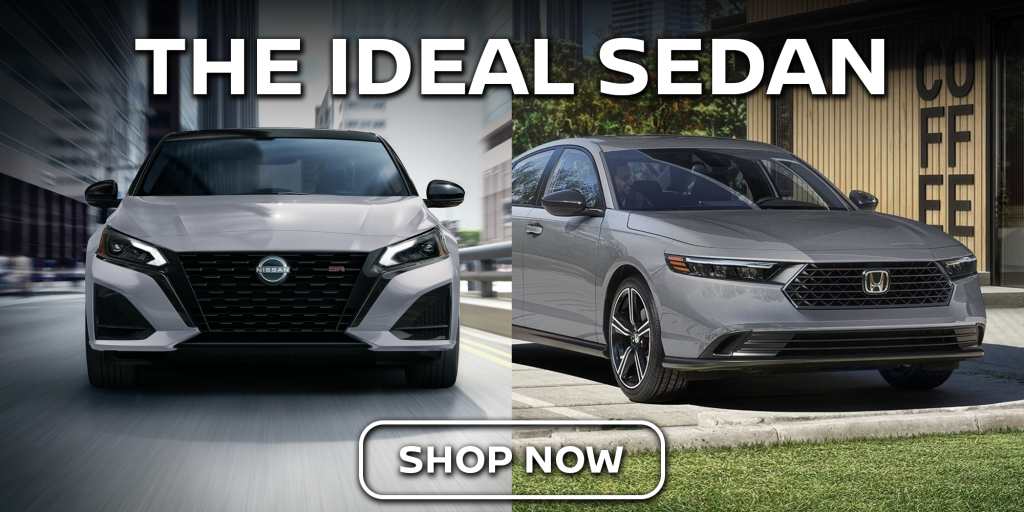
Midsize Sedan Comparison Between The Nissan Altima & Honda Accord The Nissan Altima and Honda Accord are two popular choices in the midsize sedan segment, offering a combination of comfort, performance, and advanced features. When comparing the Nissan Altima vs. Honda Accord, it’s clear that both sedans are designed to cater to modern drivers looking for a reliable and stylish new vehicle. Whether you're prioritizing fuel efficiency, interior features, or driving dynamics, these cars are worth considering for your next purchase. In this comprehensive car comparison from Crossroads Nissan of Wake Forest, we’ll explore key aspects such as models, trim levels, engine options, and interior dimensions to help you decide which sedan best suits your needs. From their standard features to advanced safety technologies, the Nissan Altima vs. Honda Accord specs bring a lot to the table in the competitive midsize sedan market. Key Features of the Nissan Altima and Honda Accord The Nissan Altima vs. Honda Accord comparison offers a diverse selection of trim levels to suit different preferences and budgets. The Nissan Altima comes in multiple trims, starting with the base model and progressing to higher trims like the Nissan Altima SR. It offers enhancements such as advanced technology, improved comfort, and additional safety features. The Honda Accord also offers a diverse range of trims, competitive and well equipped at the entry level. With both sedans, there’s a trim level to meet the needs of almost any buyer, whether you prioritize affordability or premium features. Both the Nissan Altima vs. Honda Accord excel in offering comfort and spaciousness, but they do so in slightly different ways. The Nissan Altima stands out with its Zero Gravity front seats, designed to help reduce fatigue during long drives. These thoughtfully engineered seats, combined with generous front legroom, ensure a comfortable experience for both the driver and passenger. Additionally, the Nissan Altima’s interior dimensions are designed to maximize passenger comfort, making it a strong choice for families and commuters alike. On the other hand, the Honda Accord provides slightly greater overall passenger volume, ensuring plenty of space for occupants in both the front and rear seats. While the Honda Accord emphasizes maximizing total cabin space, the Nissan Altima focuses on delivering exceptional front-seat comfort and refined ergonomics that many daily drivers appreciate. Performance and Driving Dynamics When it comes to engine options, both Nissan Altima vs. Honda Accord’s reliability is the usage of efficient powertrains to suit a variety of driving needs. They also utilize automatic transmissions designed for smooth, responsive performance. The Nissan Altima is powered by a standard 2.5L four-cylinder engine that delivers 188 horsepower and 180 lb.-ft. of torque, providing a strong balance of performance and efficiency. Properly equipped FWD models achieve up to an EPA-estimated 26 MPG in city driving and 36 MPG on highways, making it an excellent choice for highway commuters.* This combination allows the Nissan Altima to deliver smooth acceleration while maintaining impressive fuel economy. Meanwhile, the Honda Accord features a smaller 1.5L turbocharged four-cylinder engine producing 192 horsepower and 192 lb.-ft. of torque. Hybrid trims are also available for drivers seeking enhanced fuel efficiency for better EPA ratings, though at a premium price. In terms of driving dynamics, the Nissan Altima offers a clear advantage with its available Intelligent All-Wheel Drive system—a feature not offered on the Honda Accord. This system enhances traction and confidence in challenging weather conditions such as rain or snow, giving the Nissan Altima broader versatility for drivers in varying climates. By contrast, the Honda Accord focuses on delivering a composed ride with responsive handling. Technology and Infotainment Systems In today’s innovative age, drivers often expect their vehicles to come equipped with advanced connectivity, and both the Nissan Altima and Honda Accord deliver. Standard Apple CarPlay® and Android Auto™ integration are included, allowing seamless smartphone connectivity through the center touchscreen display. The Nissan Altima vs. Honda Accord differ in each of their takes on advanced technology and driver convenience. While the infotainment systems in both sedans are designed to be intuitive and streamlined, safety remains a priority in both vehicles. The Honda Accord comes standard with Honda Sensing®, a suite that includes plenty of protection everywhere you go. Similarly, the Nissan Altima comes standard with Nissan Safety Shield® 360, which also gives you all of the tools you need to stay safe. Some features from both include a system that monitors your blind spot, a system that alerts you of any cars in the adjacent lanes, and an automatic braking system designed to prevent collisions. With these comprehensive safety systems included, the Nissan Altima vs. Honda Accord are safe options. However, the Nissan Altima takes safety to another level. With Nissan’s available ProPILOT Assist, it’ll help you stay centered in your lane, maintain a set distance from the vehicle ahead, and can even bring your Nissan Altima to a complete stop before resuming speed as traffic begins moving again. You can also equip your Nissan with the available Intelligent Around View® Monitor to provide a virtual composite 360-degree view to help make parking easier and more confident. Practicality: Cargo Space and Seating Capacity Both Nissan Altima vs. Honda Accord seat up to five passengers comfortably. Ample legroom in both rows ensures that occupants can enjoy longer journeys without feeling cramped. Whether commuting or taking a weekend trip, both models provide a well-balanced mix of passenger comfort and cargo flexibility. For buyers who prioritize practicality, the Nissan Altima vs. Honda Accord offer impressive trunk capacity. The Nissan Altima provides 15.4 cu.ft. of trunk space, offering generous room for groceries, luggage, or everyday essentials. The rear seats also fold down to accommodate longer items when needed, giving drivers up to 58.1 cu.ft. The Honda Accord offers 16.7 cu.ft. of trunk space, giving it a slight edge in total volume. However, you’ll find the Nissan Altima’s trunk capacity more than sufficient for daily needs, especially when combined with its efficient interior layout. Your Next Midsize Sedan In the Nissan Altima vs. Honda Accord comparison, both sedans deliver strong value. However, the Nissan Altima stands out with its available Intelligent All-Wheel Drive, standard Safety Shield® 360 suite, Zero Gravity seating, and up to 36 highway MPG in FWD models. This blend of efficiency, comfort, and all-weather capability makes it an exceptionally well-rounded choice in the midsize sedan segment. While the Honda Accord remains competitive, the Nissan Altima’s unique combination of features gives it a meaningful advantage for many drivers—especially those who want added traction confidence without sacrificing fuel economy. If you’re searching for a midsize sedan that balances practicality, comfort, and versatility, the Nissan Altima deserves serious consideration. Visit Crossroads Nissan of Wake Forest to test-drive one today. SHOP NOW *EPA Fuel Economy Estimates. Actual mileage may vary with driving conditions—use for comparison only.

Nissan Sentra vs. Honda Civic: Side-by-Side Comparison

The Sedan For You: Deciding Between The Nissan Sentra & Honda Civic When shopping for a compact sedan that blends efficiency, style, and everyday comfort, the Nissan Sentra and Honda Civic consistently rise to the top of the conversation. In this in-depth Nissan Sentra vs. Honda Civic comparison, we’ll explore how each model fits into modern lifestyles, whether you're commuting across town, heading out on weekend road trips, or simply upgrading to a dependable new car. Both models offer strong value in the competitive world of compact cars, but as you’ll see throughout this Nissan Sentra vs. Honda Civic evaluation, the Nissan Sentra brings a compelling balance of performance, technology, and safety to the table. Continue reading this blog from Crossroads Nissan of Wake Forest to see how each model performs against the other. Power, Efficiency, and Exterior Character In any Nissan Sentra vs. Honda Civic discussion, performance and fuel efficiency are often the first areas drivers examine. The Nissan Sentra has a 2.0L direct injection gasoline four-cylinder engine that produces 149 horsepower and 146 lb.-ft. of torque. Every Nissan Sentra features front-wheel drive and a CVT (Continuously Variable Transmission), delivering smooth acceleration and the added benefit of selectable drive modes such as ECO Mode and Sport Mode. On select models, the Nissan Sentra achieves an EPA-estimated 30 city MPG and 38 highway MPG, making it a smart choice for drivers focused on fuel efficiency without sacrificing responsiveness.* The Honda Civic is also equipped with a 2.0L DOHC VTC four-cylinder engine generating 150 horsepower, paired with a Continuously Variable Transmission and idle-stop technology. While the Honda Civic holds a small horsepower advantage on paper, the Nissan Sentra counters with refined throttle response and more comprehensive driver-selectable modes that help tailor the driving experience to varying driving conditions. In this Nissan Sentra vs. Honda Civic specs comparison, the difference in output is minimal, and many drivers may find the Nissan Sentra’s balanced ride quality and composed handling equally satisfying. Exterior styling is another defining factor in the Nissan Sentra vs. Honda Civic conversation. The Honda Civic features a low, wide stance with sculpted body lines, available LED lighting, and bold wheel designs, especially in sport-focused trims. Meanwhile, the Nissan Sentra presents a sleek, aerodynamic silhouette with crisp lines and an athletic presence. Its confident stance complements its efficient performance, giving drivers an economy car that looks far from basic. In a Nissan Sentra vs. Honda Civic comparison focused on everyday appeal, both deliver eye-catching design, but the Nissan Sentra’s clean, modern aesthetic pairs seamlessly with its practical efficiency. Interior Comfort and Technology Step inside, and the Nissan Sentra vs. Honda Civic evaluation continues with comfort and connectivity. The Nissan Sentra seats up to five passengers and offers up to 14.3 cu.ft. of trunk space and more with its 60/40-split fold-down rear seats, providing versatile cargo space for groceries, luggage, or daily essentials. The Honda Civic also seats five and offers a spacious interior layout up to 14.8 cu.ft., but the Nissan Sentra’s thoughtful cabin packaging ensures that its interior layout never feels cramped. Seating comfort is a highlight in this Nissan Sentra vs. Honda Civic comparison. The Nissan Sentra features a six-way adjustable driver’s seat and a four-way adjustable front passenger seat as standard equipment. Available upgrades include Sport Leatherette seat trim with contrast stitching, as well as an available leather-wrapped steering wheel and shift knob for an elevated feel. The Honda Civic offers available leather-trimmed seating and a leather-wrapped steering wheel, creating a refined atmosphere. While both provide upscale options, the Nissan Sentra’s supportive Zero Gravity seating design and driver-centric layout contribute to confident comfort on long drives. Technology plays a central role in any modern Nissan Sentra vs. Honda Civic evaluation. The Nissan Sentra includes Apple CarPlay® integration and Android Auto™ compatibility as standard features, along with an available dual-integrated 12.3-in. monolith display and Bose Premium Audio. The Honda Civic also offers Apple CarPlay® and Android Auto™, with wireless integration available, plus an optional 12-speaker Bose Premium Sound System. With both models offering similar tech features, the Nissan Sentra ensures strong smartphone connectivity and intuitive controls across its lineup, reinforcing its value-driven appeal—not to mention extra features like Active Noise Cancellation and Active Sound Enhancement. Safety First Safety is where the Nissan Sentra truly distinguishes itself in this Nissan Sentra vs. Honda Civic comparison. Every Nissan Sentra comes standard with Nissan Safety Shield® 360, which includes Automatic Emergency Braking with Pedestrian Detection, Blind Spot Warning, Lane Departure Warning, Rear Cross Traffic Alert, Rear Automatic Braking, and High Beam Assist. Available features such as ProPILOT Assist, Intelligent Forward Collision Warning, and Intelligent Cruise Control add even more driver assistance support. The Honda Civic comes standard with Honda Sensing®, featuring Collision Mitigation Braking System™, Road Departure Mitigation System, Adaptive Cruise Control with Low-Speed Follow, Lane Keeping Assist System with Traffic Jam Assist, and Traffic Sign Recognition. While both vehicles deliver comprehensive safety tech, the Nissan Sentra’s standard inclusion of Blind Spot Warning and Rear Cross Traffic Alert across the lineup provides an added layer of everyday awareness that enhances overall peace of mind. In discussions surrounding Nissan Sentra vs. Honda Civic reliability, comprehensive safety systems often play a significant role in long-term ownership satisfaction. Choosing Confidence and Everyday Value As this Nissan Sentra vs. Honda Civic comparison illustrates, both sedans deliver impressive performance, efficiency, and modern technology in the compact sedan segment. The Honda Civic offers slightly more horsepower and available premium upgrades, but the Nissan Sentra answers with excellent fuel efficiency, well-rounded standard features, and a comprehensive suite of driver assistance technology included on every model. In this detailed Nissan Sentra vs. Honda Civic specs breakdown, the differences are subtle rather than dramatic. The Nissan Sentra’s efficient powertrain, up to 38 MPG on the highway, and standard Nissan Safety Shield® 360 create a strong foundation for daily commuting and weekend travel alike. Add in its versatile trunk space, intuitive infotainment system, and refined cabin design, and it becomes clear why many drivers gravitate toward the Nissan Sentra when conducting model comparisons. When evaluating Nissan Sentra vs. Honda Civic reliability, both brands carry strong reputations, but the Nissan Sentra’s thoughtful engineering, safety-first approach, and value-driven trim structure make it especially appealing for drivers seeking long-term confidence. In the world of compact cars, the Nissan Sentra stands out as a smart, stylish, and efficient option that balances practicality with modern sophistication. If you’re still narrowing down your Nissan Sentra vs. Honda Civic decision, the best way to experience the difference is from behind the wheel. Visit Crossroads Nissan of Wake Forest today to explore available trim levels and see firsthand how the Nissan Sentra can elevate your daily drive. SHOP NOW *EPA Fuel Economy Estimates. Actual mileage may vary with driving conditions—use for comparison only.

Nissan Frontier vs. Honda Ridgeline: Which Midsize Truck Fits Your Lifestyle?

Two Midsize Trucks Built For Work And Everyday Life When it comes to choosing between two well-equipped midsize pickup models, the conversation often centers on capability, comfort, and long-term value. In this detailed look at the Nissan Frontier vs. Honda Ridgeline, both trucks prove they’re ready to support busy lifestyles, including towing a trailer, loading up tools for the job site, or serving as a dependable daily driver. As modern pickup trucks continue to evolve, today’s drivers expect both strength and refinement in one well-balanced package. The Nissan Frontier stands out as a bold, body-on-frame midsize truck engineered for durability and confident performance. Designed with rugged capability in mind, it’s built for truck owners who value traditional truck toughness alongside modern connectivity. The Honda Ridgeline, by contrast, blends pickup versatility with SUV-like comfort, offering a unibody design aimed at smooth commuting and family-friendly usability. For shoppers comparing the Nissan Frontier vs. Honda Ridgeline, the decision often comes down to how much emphasis they place on classic frame truck construction versus crossover-inspired ride quality. Both models are versatile enough to serve as a solution for weekday commuting and weekend recreation alike. Still, drivers seeking a truck that feels purpose-built for hard work and serious off-road exploration will appreciate what the Nissan Frontier brings to the table. To experience the difference firsthand, visit Crossroads Nissan of Wake Forest for a test drive to see which midsize pickup best fits your lifestyle. Power & Capability for All Demands A close look at the Nissan Frontier vs. Honda Ridgeline specs reveals distinct engineering philosophies. The Nissan Frontier is powered by a standard 3.8L V6 engine producing 310 horsepower, paired with an automatic transmission for smooth, confident shifts. This V6 engine delivers robust output ideal for hauling equipment or merging onto highways with authority. The Honda Ridgeline features a 280-horsepower direct-injection V6 engine paired with a nine-speed automatic transmission, producing 262 lb.-ft. of torque. While both trucks offer capable performance, the Nissan Frontier provides more horsepower, giving it an edge for drivers who prioritize strong acceleration and overall muscle. Towing capability is another key differentiator in the Nissan Frontier vs. Honda Ridgeline comparison. When properly equipped, the Nissan Frontier offers a maximum towing capacity of up to 7,150 lbs., along with a maximum payload capacity of 1,620 lbs. The Honda Ridgeline delivers up to 5,000 lbs. of maximum towing capacity and includes a standard integrated tow hitch with a seven-pin connector. For drivers who regularly haul boats, campers, or work trailers, the higher towing threshold of the Nissan Frontier reinforces its reputation as a traditional truck built for demanding tasks. Confident Design Construction also plays a major role in the Nissan Frontier vs. Honda Ridgeline comparison. The Nissan Frontier utilizes a ladder frame design, underscoring its identity as a body-on-frame midsize truck engineered for durability and strength. Available rugged equipment, including skid plates and specialized off-road-focused trims like the Nissan Frontier PRO-4X®, further enhance its capability for serious off-road adventures. The Honda Ridgeline, with its unibody construction and fully independent front and rear suspensions, emphasizes composed ride quality and reduced vibration. While that setup contributes to smooth handling, many shoppers comparing Nissan Frontier vs. Honda Ridgeline reliability may favor the time-tested durability associated with a frame truck platform on the Nissan Frontier. On the exterior, the Nissan Frontier projects strength with muscular lines, an aggressive stance, and has multiple cab and bed length configurations that are designed to tailor to your specific needs. The Honda Ridgeline, however, boasts sharper lines, but has only one cab size that blends truck presence with everyday approachability. In evaluating Nissan Frontier vs. Honda Ridgeline, those who value a rugged, purpose-driven design may gravitate toward the more assertive styling of the Nissan Frontier. An Interior Space For You Inside the cabin, the Nissan Frontier and Honda Ridgeline offer thoughtful comfort and connectivity. Both can seat up to five passengers, and while the Honda Ridgeline offers a more refined SUV-like interior, the Nissan Frontier counters with a purpose-built cabin. This blends modern comfort with durable materials and practical design, making it especially appealing for drivers who want a truck that feels ready for both demanding workdays and weekend adventures. Technology is central to the experience in both Nissan Frontier vs. Honda Ridgeline interiors. Touchscreen display sizes vary: standard 7-in. and optional 9-in. on the Honda Ridgeline, standard 8-in. and available 12.3-in. on the Nissan Frontier, each compatible with Apple CarPlay® and Android Auto™ integration. The Honda Ridgeline streamlines this compatibility, but the Nissan Frontier takes connectivity a step further. Thanks to NissanConnect®, this system unifies all elements of your truck-driving experience whether it’s smartphone integration, safety features, or truck-oriented features. This allows you to seamlessly transition between job sites, highways, or off-road environments No Compromises on Safety Safety is another strong point for the Nissan Frontier vs. Honda Ridgeline. The Nissan Frontier comes standard with Nissan Safety Shield® 360, while the Honda Ridgeline offers a comprehensive suite through Honda Sensing®. These standard suites highlight each model’s commitment to value and everyday peace of mind in the ongoing Nissan Frontier vs. Honda Ridgeline conversation. Cargo solutions further distinguish the two. The Honda Ridgeline offers a dual-action tailgate and a lockable In-Bed Trunk® for added versatility. The Nissan Frontier counters with an available Utili-track® Channel System and spray-in bedliner, emphasizing secure cargo management and long-term durability for truck bed use. For drivers focused on rugged hauling capability, the Nissan Frontier’s work-ready design remains a compelling advantage in any Nissan Frontier vs. Honda Ridgeline evaluation. The Confident Choice for Capability and Value Ultimately, the decision between these two midsize truck contenders comes down to priorities. The Honda Ridgeline delivers refined ride characteristics, innovative cargo features, and a comfortable cabin suited for commuting and family life. However, the Nissan Frontier distinguishes itself with greater horsepower, higher towing capacity, a durable ladder frame foundation, and more truck-based output. For shoppers carefully studying Nissan Frontier vs. Honda Ridgeline specs, the Nissan Frontier demonstrates clear advantages in raw capability and traditional truck engineering. It offers the strength, versatility, and proven construction many drivers expect from a true midsize pickup. Whether navigating daily responsibilities or heading toward off-road terrain, the Nissan Frontier is built for work and ready for play.If you’re weighing your options in the competitive Nissan Frontier vs. Honda Ridgeline segment, we invite you to visit Crossroads Nissan of Wake Forest to explore the Nissan Frontier in person. Get behind the wheel, experience its confident power, and see how this capable midsize truck can elevate your everyday drive. SHOP NOW *EPA Fuel Economy Estimates. Actual mileage may vary with driving conditions—use for comparison only.

Nissan Pathfinder vs. Honda Pilot: Specs, Size & Reliability Compared

Comparing Top Three-Row SUVs: Nissan Pathfinder & Honda Pilot When it comes to choosing between the Nissan Pathfinder and Honda Pilot, these two top contenders in the three-row SUV category offer a lot for families and adventure enthusiasts alike. Both vehicles are designed to cater to family life with spacious interiors, advanced features, and reliable performance, making them ideal for road trips or daily commutes. In a segment filled with strong competitors, the Nissan Pathfinder vs. Honda Pilot stand out for their reliability, advanced technology, and thoughtful design. With roomy interiors and ample cargo space, they continue to meet the evolving needs of modern drivers. If you're in the market for a versatile and dependable SUV, this blog from Crossroads Nissan Wake Forest gives you a closer look at why the Nissan Pathfinder is the better choice. Schedule a test drive with us today! Performance & Driving Dynamics Under the hood, both the Nissan Pathfinder vs. Honda Pilot feature a powerful engine designed to handle a variety of driving conditions. While the Honda Pilot offers a slightly more robust V6 engine with 285 horsepower and 262 lb.-ft. of torque, the Nissan Pathfinder is capable of reaching up to 284 horsepower and 259 lb.-ft. of torque. Both engines are paired with a smooth automatic transmission for a refined driving experience. That near-equal output gives the Nissan Pathfinder comparable performance with added confidence for everyday driving and towing up to 6,000 lbs. The Honda Pilot, on the other hand, offers a towing capacity of up to 5,000 lbs. Drivers who prioritize towing capability may lean toward the Nissan Pathfinder, particularly its Rock Creek® trim level, which is designed for enhanced off-road capability. Roof rails are available on both models, adding extra utility for carrying larger items like bikes or kayaks. Additionally, the third row in each SUV folds down flat, creating a more versatile cargo area for bulky items. Whether you're packing for a family road trip or managing errands, the flexibility of these vehicles makes them practical options for any lifestyle. The Nissan Pathfinder vs. Honda Pilot reliability is enhanced by multiple drive modes that adapt to varying terrains and weather conditions. The Nissan Pathfinder’s available 4x4 system provides excellent traction and control, especially in off-road scenarios, while the Honda Pilot features an available all-wheel-drive system that performs well on slick roads. With a nine-speed automatic transmission, the Nissan Pathfinder delivers smooth and responsive shifts, contributing to a comfortable ride. The Honda Pilot also offers a smooth driving experience, with precise steering and a slightly tighter turning diameter, making it easier to maneuver in tight spaces. Overall, the Nissan Pathfinder emphasizes ride comfort and smoothness for everyday driving. The Nissan Pathfinder vs. Honda Pilot are ideal options for city and highway driving. The Honda Pilot has an EPA-estimated 19 MPG in the city and 27 MPG on the highway for its 2WD models, while the Nissan Pathfinder achieves an estimated 21 MPG for city commutes and 27 MPG on highways.* These Nissan Pathfinder vs. Honda Pilot specs make the Nissan Pathfinder a discernible choice for those who prioritize fuel efficiency. Interior Comfort, Technology, & Safety Inside the cabin, both the Nissan Pathfinder and Honda Pilot are designed to accommodate busy families with flexible seating for up to eight passengers and spacious three-row layouts. The Nissan Pathfinder distinguishes itself with a more refined, driver-focused interior that emphasizes comfort and usability across all rows. Nissan’s available semi-aniline leather-appointed seating, contrast stitching, and thoughtful trim accents give the Nissan Pathfinder a more upscale feel, especially in higher trims like Platinum. The EZ FLEX® second-row seating system adds everyday convenience by allowing easy access to the third row—even with a child seat installed—making the Nissan Pathfinder particularly family-friendly. The Nissan Pathfinder vs. Honda Pilot sizes differ, with the Honda SUV offering competitive interior space and slightly more overall cargo capacity when fully configured for hauling. The Nissan Pathfinder’s well-shaped cargo area and flat-folding rear rows prioritize real-world versatility and ease of loading. Combined with supportive front seats and a quieter ride quality, the Nissan Pathfinder creates an interior environment that feels comfortable, composed, and ready for long trips. Technology and connectivity play a major role in daily driving, and the Nissan Pathfinder vs. Honda Pilot comparison leans into intuitive, confidence-building features that enhance the overall experience. The Nissan Pathfinder is equipped with a modern infotainment system that supports Apple CarPlay® and Android Auto™, along with multiple USB ports throughout the cabin to keep devices charged for every passenger. Available upgrades include wireless smartphone connectivity, a premium Bose® audio system, and a large digital driver display that puts key vehicle information directly in the driver’s line of sight. These features work together to reduce distractions and keep the focus on the road. The Honda Pilot also offers a capable infotainment setup and the same size touchscreen, but the Nissan Pathfinder’s clean interface, responsive controls, and available head-up display give it a more streamlined, driver-centric feel. For drivers who value technology that enhances comfort without feeling overwhelming, the Nissan Pathfinder strikes an ideal balance between innovation and ease of use. Safety is an area where the Nissan Pathfinder vs. Honda Pilot perform strongly, but the Nissan SUV stands out by making advanced driver-assist technologies a core part of the driving experience. Every Nissan Pathfinder comes equipped with Nissan Safety Shield® 360, which includes Automatic Emergency Braking with Pedestrian Detection, Blind Spot Warning, Rear Cross Traffic Alert, Lane Departure Warning, High Beam Assist, and more. ProPILOT Assist includes Adaptive Cruise Control with lane-centering support, helping reduce driver fatigue during highway travel and long commutes. The Honda Pilot offers a similarly comprehensive suite of safety features through Honda Sensing®, but the Nissan Pathfinder’s combination of standard equipment and available hands-on assistance technologies provides a greater sense of confidence behind the wheel. Even when the Honda Pilot matches or slightly exceeds certain specifications, the Nissan Pathfinder’s smooth ride, composed handling, and driver-assist integration reinforce its role as a reassuring and capable family SUV. Together, these qualities make the Nissan Pathfinder a compelling choice for drivers who want safety, comfort, and everyday practicality working seamlessly in their favor. The Path to Greatness When comparing the Nissan Pathfinder vs. Honda Pilot, both SUVs bring impressive strengths to the table. The Honda Pilot remains a solid option for those seeking a capable three-row SUV, but the Nissan Pathfinder stands out as the more well-rounded choice with its higher available towing capacity, refined interior design, intuitive technology, and confidence-inspiring safety features. If you’re ready to experience everything the Nissan Pathfinder has to offer, visit Crossroads Nissan Wake Forest today to explore our available inventory, take a test drive, and find the Nissan Pathfinder that fits your lifestyle. SHOP NOW *EPA Fuel Economy Estimates. Actual mileage may vary with driving conditions—use for comparison only.

Nissan Rogue vs. Honda CR-V: Which Compact SUV Wins in Real-World Use?

The Ultimate SUV Comparison When comparing the Nissan Rogue vs. the Honda CR-V, both SUVs offer exceptional value and performance for all your drives throughout Wake Forest, NC, and beyond. However, understanding the differences in features, engine performance, and comfort can help you make the right decision. Whether you prioritize fuel efficiency, advanced safety technology, or interior space, both models provide strong options for a variety of driving needs. This buyer's guide will compare the Nissan Rogue and Honda CR-V across key categories, including performance, interior space, and technology, to help you determine which SUV aligns best with your personal preference and lifestyle. Let's dive into the details to see how these popular SUVs stack up against each other. Visit Crossroads Nissan of Wake Forest to test drive the latest Nissan Rogue and see firsthand how it outperforms the competition. Performance and Engine Options Power and Engine Displacement The Nissan Rogue comes equipped with a 1.5L three-cylinder VC-Turbo® engine that delivers an impressive 201 horsepower and 225 lb.-ft. of torque. This advanced engine design offers a unique combination of power and efficiency, making it a standout feature in the compact SUV segment. On the other hand, the Honda CR-V is powered by a 1.5L four-cylinder engine that produces 190 horsepower and 179 lb.-ft. of torque. While the Honda CR-V’s engine provides reliable performance, it lacks the innovative variable compression technology found in the Nissan Rogue’s powertrain. The Nissan Rogue’s powertrain not only boosts performance but also ensures a smooth driving experience, whether you’re navigating city streets or cruising on the highway. Fuel Efficiency and Driving Conditions One of the key factors to consider when comparing the Nissan Rogue vs. the Honda CR-V is fuel efficiency. The Nissan Rogue offers better fuel economy, achieving up to 29 MPG in the city and 37 MPG on the highway.* This combined MPG rating of 33 MPG surpasses the Honda CR-V and other SUVs in its class, making the Nissan Rogue an excellent choice for those seeking better fuel economy. In contrast, the Honda CR-V offers respectable fuel economy but falls short of the Nissan Rogue's efficiency, particularly on the highway, with an EPA-estimated highway MPG of 33. The Nissan Rogue is built to handle a wide range of driving conditions with ease. Its Intelligent All-Wheel Drive system enhances traction and stability, delivering confident control on wet roads, snowy streets, and uneven terrain. With selectable drive modes, drivers can fine-tune performance to match their journey, whether prioritizing efficiency for daily commutes or capability for more demanding roads. A smooth, continuously variable transmission further elevates ride comfort, making the Nissan Rogue equally at home in the city or off the beaten path. Drive modes such as Eco, Sport, Snow, and Off-Road offer added versatility, while the Nissan Rogue Rock Creek® trim takes adventure a step further with rugged all-terrain tires, roof rack upgrades, and an off-road mode, underscoring the Nissan Rogue’s balance of efficiency and capability. By combining its efficient three-cylinder engine with advanced driving technologies, the Nissan Rogue proves to be a versatile and fuel-efficient option. Whether you’re looking for a practical daily driver or a capable road trip companion, the Nissan Rogue delivers on all fronts. Interior Space and Comfort When it comes to interior space, both the Nissan Rogue and Honda CR-V offer seating for five passengers. However, the Nissan Rogue stands out by providing more front leg room and head room, ensuring a comfortable experience for taller drivers and passengers. The front seats in the Nissan Rogue are designed with ergonomics in mind, offering excellent support for long drives. In contrast, while the Honda CR-V also features a well-designed cabin, it does not match the Nissan Rogue’s generous front leg and headroom. In addition to its superior seating comfort, the Nissan Rogue offers a spacious interior that rivals larger SUVs. The second row in the Nissan Rogue provides ample space for passengers, ensuring that everyone can enjoy a relaxed and comfortable ride. Cargo Volume and Storage Solutions Cargo capacity is another crucial factor for SUV buyers, and both the Nissan Rogue and Honda CR-V deliver in this area. The Honda CR-V offers a maximum of 76.5 cu.ft. of cargo volume, slightly edging out the Nissan Rogue’s 74.1 cu.ft.. However, the Nissan Rogue compensates with its innovative cargo system, which includes adjustable floor panels and under-floor storage compartments. These storage solutions make it easier to organize and access your belongings, providing added convenience for busy lifestyles. Furthermore, the Nissan Rogue’s cargo area is designed with flexibility in mind. Whether you’re transporting groceries, sports equipment, or luggage for a family trip, the Nissan Rogue’s versatile cargo space can accommodate your needs. The inclusion of roof rails on certain trim levels also enhances its practicality, providing additional storage when needed. You can also opt for the available Motion-Activated Liftgate, which opens your trunk hands-free. While the Honda CR-V offers excellent cargo volume, it lacks the thoughtful design elements that make the Nissan Rogue’s cargo area so user-friendly. You get more variety with the Nissan Rogue’s cargo space, especially with its available cargo system. The Divide-N-Hide® cargo system offers six smart configurations to help you organize and make the most of its 36.5 cu.ft. of cargo space behind the rear seats. Overall, the Nissan Rogue’s focus on comfort, interior space, and storage solutions makes it a standout choice for those who prioritize a spacious and practical cabin. Whether you’re driving solo or with family, the Nissan Rogue ensures a comfortable and convenient experience for all. Technology and Infotainment Features The Nissan Rogue leads the way in technology with its state-of-the-art infotainment system. It features a large 12.3-in. touchscreen display, which is significantly larger than the Honda CR-V’s 9-in. touchscreen available on higher trims. The Nissan Rogue’s system includes wireless Apple CarPlay® and Android Auto™ as standard features, providing seamless smartphone integration without the hassle of cables. These advanced connectivity options ensure that drivers and passengers can stay connected and entertained on the go. The Nissan Rogue delivers a more immersive and value-driven in-cabin experience, starting with its larger touchscreen and available BOSE® Premium Sound System that elevates every drive with rich, high-quality audio. Available satellite radio adds even more entertainment options, giving drivers easy access to music, news, and talk radio on the go. While the Honda CR-V offers popular features like wireless smartphone integration and select premium amenities primarily in higher trims, the Nissan Rogue includes many comparable technologies as standard or more accessible options across its lineup. Features such as advanced connectivity, upscale interior materials, and a comfort-focused design come together seamlessly, making the Nissan Rogue the smarter choice for drivers who want cutting-edge technology and premium touches without upgrading to top-tier trims. Another standout feature of the Nissan Rogue is the availability of a head-up display that projects critical driving information onto the windshield for easy visibility. This feature minimizes distractions by keeping your eyes on the road. With its advanced infotainment system and additional features such as USB charging and connectivity, the Nissan Rogue delivers a modern, user-friendly driving experience. Driver Assistance and Safety Technology Safety technology is a critical consideration when choosing an SUV, and both the Nissan Rogue and Honda CR-V offer a range of driver-assistance features. The Nissan Rogue also leads the pack with its suite of safety technology. Nissan Safety Shield® 360, which includes Automatic Emergency Braking with Pedestrian Detection, Rear Automatic Braking, Rear Cross-Traffic Alert, Blind Spot Warning, Lane Departure Warning, and High Beam Assist, comes standard across all trims. These features, coupled with ProPILOT Assist 2.0 and Intelligent Cruise Control, elevate the driving experience and provide peace of mind on all your daily commutes in Wake Forest, NC. While Honda Sensing® in the Honda CR-V offers similar safety features with Collision Mitigation Braking System™, Road Departure Mitigation System, and Adaptive Cruise Control, the Nissan Rogue goes a step further with more intuitive systems and additional conveniences, such as parking sensors and a 360-degree camera. Its available 3D Enhanced Intelligent Around View Monitor, which allows you to rotate the camera view around the vehicle, giving you greater awareness of your surroundings with the inclusion of Invisible Hood View, providing a clear look beneath the front of the vehicle to help you confidently avoid obstructions and hard-to-see curbs. The Nissan Rogue also offers Nissan ProPILOT Assist 2.1 with Intelligent Cruise Control, enhancing the driving experience with semi-autonomous capabilities. This advanced system is particularly useful in highway driving conditions, helping maintain a safe distance from other vehicles and keeping the SUV centered in its lane. The Nissan Rogue’s ProPILOT Assist 2.1 system offers a more seamless and intuitive experience than the Honda Sensing® safety suite, giving it an edge in driver-assistance technology. Whether you’re navigating crowded city streets or traveling on the highway, the Nissan Rogue’s advanced safety features provide peace of mind in a variety of driving conditions. Trim Levels and Customization The Nissan Rogue offers a range of trim levels to cater to different preferences and budgets. At the top of the lineup, the Nissan Rogue Platinum trim provides a luxurious driving experience with premium features. Highlights of this trim include quilted semi-aniline leather seats, Tri-Zone Climate Control, and a Dual Panel Panoramic Moonroof, creating a refined and comfortable cabin. The Nissan Rogue Platinum trim also includes advanced technology, such as a head-up display, making it an ideal choice for buyers seeking a high-end SUV. For those looking for a balance of value and features, the Nissan Rogue SV trim is a popular option. It comes with standard features like roof rails, a continuously variable transmission, and Nissan’s flexible cargo system, ensuring a smooth ride and ample practicality. With multiple trims to choose from, the Nissan Rogue lineup offers something for everyone, from budget-conscious shoppers to those seeking premium amenities. Nissan Rogue Additional Options The Nissan Rogue lineup offers standout personalization options, including eye-catching two-tone paint combinations and rugged Rock Creek® styling. The Nissan Rogue Rock Creek® trim features 17-in. dark-painted aluminum-alloy wheels paired with 235/65R17 all-terrain tires, along with Hill Descent Control that automatically manages speed and braking for a more controlled, confident descent. Inside, exclusive Rock Creek leatherette-appointed seats with contrast stitching and distinctive badging add a refined yet adventurous touch. These customization choices make it easy to tailor the Nissan Rogue to your lifestyle and design preferences. Whether you’re drawn to bold styling or capability-focused features, the Nissan Rogue offers a wide range of trims and options that deliver both personality and practicality, cementing its place as a versatile, adaptable SUV built for everyday life and weekend adventures alike. Why the Nissan Rogue Stands Out The Nissan Rogue stands out against competitors like the Honda CR-V by delivering what compact SUV shoppers value most: exceptional efficiency, advanced technology, and everyday versatility. With up to 37 MPG on the highway, the Nissan Rogue outperforms key rivals and even some larger SUVs, making it an ideal choice for commuters and road-trip enthusiasts alike. Its advanced safety features, smooth ride quality, and intelligent driver-assist technologies inspire confidence in every driving situation. Inside, the Nissan Rogue offers a spacious, well-designed cabin with flexible cargo solutions that easily adapt to busy families and active lifestyles. A wide range of trims, from the well-equipped Nissan Rogue SV to the premium Nissan Rogue Platinum, allows drivers to find the right balance of comfort, style, and innovation. Efficient, adaptable, and thoughtfully engineered, the Nissan Rogue delivers outstanding value and remains a top contender in the compact SUV segment. Test Drive A Winner Ultimately, the Nissan Rogue excels by combining innovative technology, advanced safety features, and impressive fuel efficiency in a stylish, versatile package. Visit Crossroads Nissan of Wake Forest to explore the Nissan Rogue models, take a closer look at the available features, and take a test drive today. SHOP NOW *EPA Fuel Economy Estimates. Actual mileage may vary with driving conditions—use for comparison only.

Nissan Altima SL vs. SR: Which Altima Fits Your Needs?

Nissan Altima SL vs. SR: Explore the Perfect Trim Choosing between the Nissan Altima SL vs. SR comes down to how you want your mid-size sedan to look, feel, and perform. Both trims build on the strengths of the Nissan Altima nameplate of efficiency, advanced safety, and modern technology, while delivering two very different personalities. Whether your priority is upscale comfort or athletic styling, understanding how each trim level is equipped helps ensure you choose the right fit. Visit Crossroads Nissan of Wake Forest to see which of the Nissan Altima SL vs. SR trims are for you. Design and Exterior Styling Differences As a long-standing Nissan model, the Nissan Altima offers a thoughtful balance of innovation and everyday usability, making it an appealing option for drivers shopping beyond the base model and into more feature-rich trim options. When looking at the Nissan Altima SL vs. SR comparison, there are some visual differences you'll discover. The Nissan Altima SL trim leans into elegance with refined exterior details that give the car a premium road presence. A black with chrome surround V-Motion grille anchors the front fascia, complemented by machine-finished aluminum-alloy wheels that add polish without looking overstated. At the top, a standard sliding and tilting moonroof reinforces the Nissan Altima SL’s upscale character. By contrast, Nissan Altima SR features emphasize sport-inspired design cues. This trim stands out with black aluminum-alloy wheels and a dark chrome grille. These sleek elements add a visual edge, giving the Nissan Altima SR a bolder appearance among Altima models. Interior Comfort and Cabin Experience The interiors for the Nissan Altima SL vs. SR become even more distinguished, providing preferences that cater to different lifestyles. Inside the Nissan Altima SL, comfort is the priority. Premium leather-appointed seats create a refined atmosphere, supported by four-way front passenger and eight-way driver power-adjustable seats with standard lumbar support that enhance long-distance comfort. A leather-wrapped steering wheel and thoughtful ergonomic design elevate the cabin beyond what’s expected in a mid-size sedan. The Nissan Altima SR cabin takes a different approach, pairing a leatherette-wrapped steering wheel with supportive sport bucket seating and available integrated lumbar support for a more engaging feel. While still comfortable in sport cloth seats for daily use, the interior emphasizes connection to the road, aligning with the Nissan Altima SR’s athletic intent and overall driving experience. Performance and Ride Quality Both Nissan Altima SL vs. SR trims are powered by a responsive 2.5L four-cylinder engine that puts out 188 horsepower and 180 lb.-ft. of torque. This is paired with a continuously variable transmission designed for smooth acceleration and efficiency. While Nissan’s Xtronic CVT plays a major role in delivering seamless power delivery during city driving and highway cruising, systems like Active Ride Control and Intelligent Trace Control work behind the scenes to maintain stability and composure. You'll also enjoy an EPA-estimated 27 MPG for city commutes and 37 MPG on the highway.* Where the trims diverge is in ride tuning. The Nissan Altima SR features a sport-tuned suspension that sharpens handling response and adds confidence through corners. Paddle shifters further enhance driver engagement, offering manual-style control when desired. Meanwhile, the Nissan Altima SL focuses on ride comfort, allowing you to enjoy a smoother, more plush ride, especially over rough pavement or longer routes. Technology and Convenience Technology is a strong point for the Nissan Altima SL vs. SR trims, featuring the NissanConnect® services with a color display, intuitive multi-touch control, and smartphone integration through Wireless Apple CarPlay® and Android Auto™. The integrated audio system delivers clear sound and easy access to media, navigation, and vehicle settings. While the Nissan Altima SR has an 8-in. touchscreen as standard, the Nissan Altima SL trim is upgraded to a 12.3-in. screen. Whichever one you decide on, you'll be able to enable access to vehicle features and alerts, including select text messages delivered through the infotainment system. These technologies make the newest Nissan Altima easier to integrate into a connected lifestyle. Both Nissan Altima SL vs. SR also include thoughtful features that enhance daily usability, such as a remote engine start system, a 7-in. multi-function information display to keep you informed, and illuminated steering wheel-mounted audio controls. Both models feature an electronic parking brake with Automatic Brake Hold for stop-and-go traffic. The Nissan Altima SL trim has automatic temperature control, optional on the SR,, maintaining consistent cabin comfort regardless of outside conditions. The Nissan Altima SL trim further adds convenience-focused technology, including Nissan Door to Door Navigation, which seamlessly connects your route planning between your vehicle and mobile device. Voice interaction is enhanced through Hello Nissan and Alexa Built functionality, allowing hands-free access to select features while on the move. Advanced Safety and Driver Assistance Safety remains a defining strength of the Nissan Altima SL vs. SR comparison. Both trims come equipped with Nissan Safety Shield® 360, which includes core driver-assist technologies such as Automatic Emergency Braking with Pedestrian Detection, Blind Spot Warning, Lane Departure Warning, Cross Traffic Alert, and more. Intelligent Forward Collision Warning and Intelligent Driver Alertness add another layer of reassurance by monitoring traffic patterns and driver behavior. Additional standard systems like Rear Automatic Braking, Rear Cross Traffic Alert, and High Beam Assist provide extra awareness in daily driving situations. Traffic Sign Recognition on the SL trim further supports driver confidence by displaying key roadway information directly in the instrument cluster. If you're looking for more premium safety features, the Nissan Altima SL trim builds on this foundation with ProPILOT Assist 1.0, which can help maintain speed and lane position in certain conditions. Which One Is Right for You? No matter which trim you choose, the Nissan Altima continues to be a compelling choice in the competitive mid-size sedan segment. The best way to decide between the Nissan Altima SL vs. SR is to schedule a test drive at Crossroads Nissan of Wake Forest to experience firsthand how each trim's key features aligns with your preferences.The Nissan Altima SL is ideal for drivers who value refinement, advanced driver assistance, and upscale materials such as leather seats. Its focus on comfort, smooth ride quality, and premium technology makes it well-suited for commuters and long-distance travelers alike. The Nissan Altima SR, on the other hand, appeals to drivers drawn to dynamic styling and a more engaging feel behind the wheel. From its bold exterior accents to its performance-oriented suspension tuning, it delivers a more energetic personality while remaining practical for everyday use. Select yours from our Nissan dealer in Crossroads Nissan of Wake Forest today! SHOP NOW *EPA Fuel Economy Estimates. Actual mileage may vary with driving conditions—use for comparison only.

Contact Us

Fill out this form below and we'll contact you shortly
*Required Fields